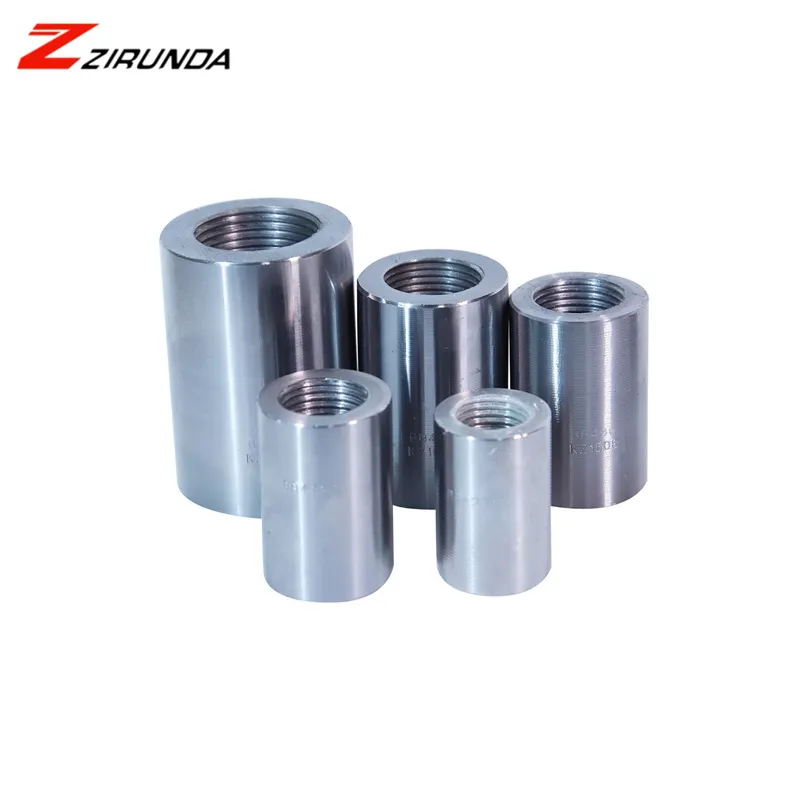
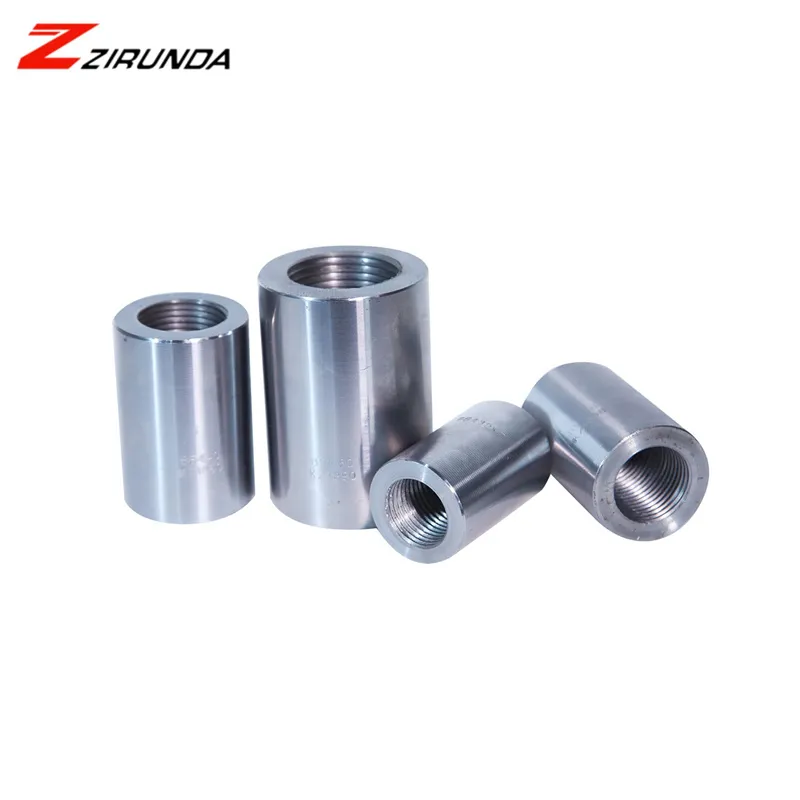
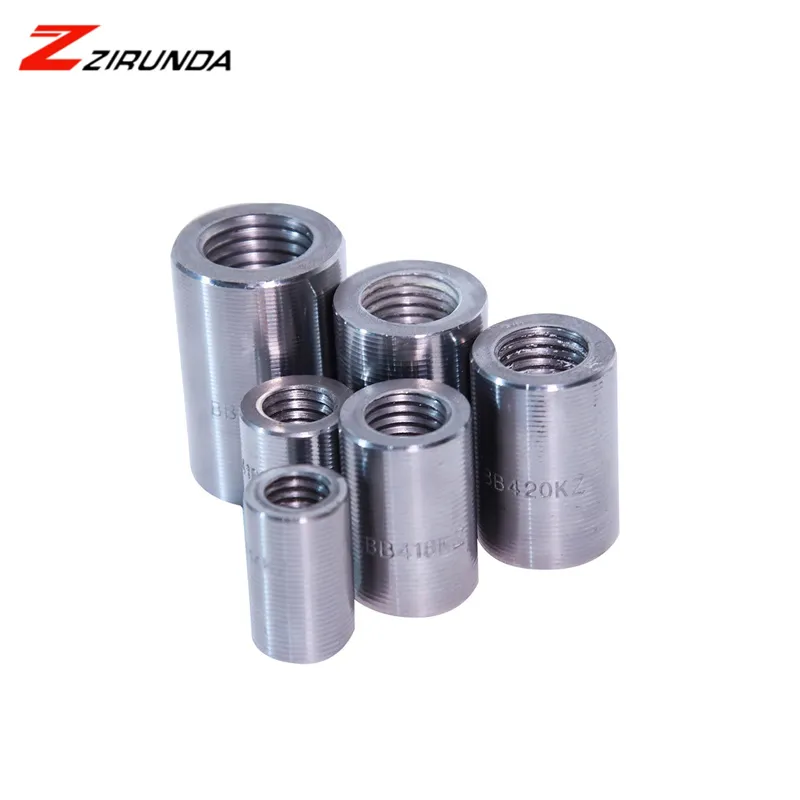
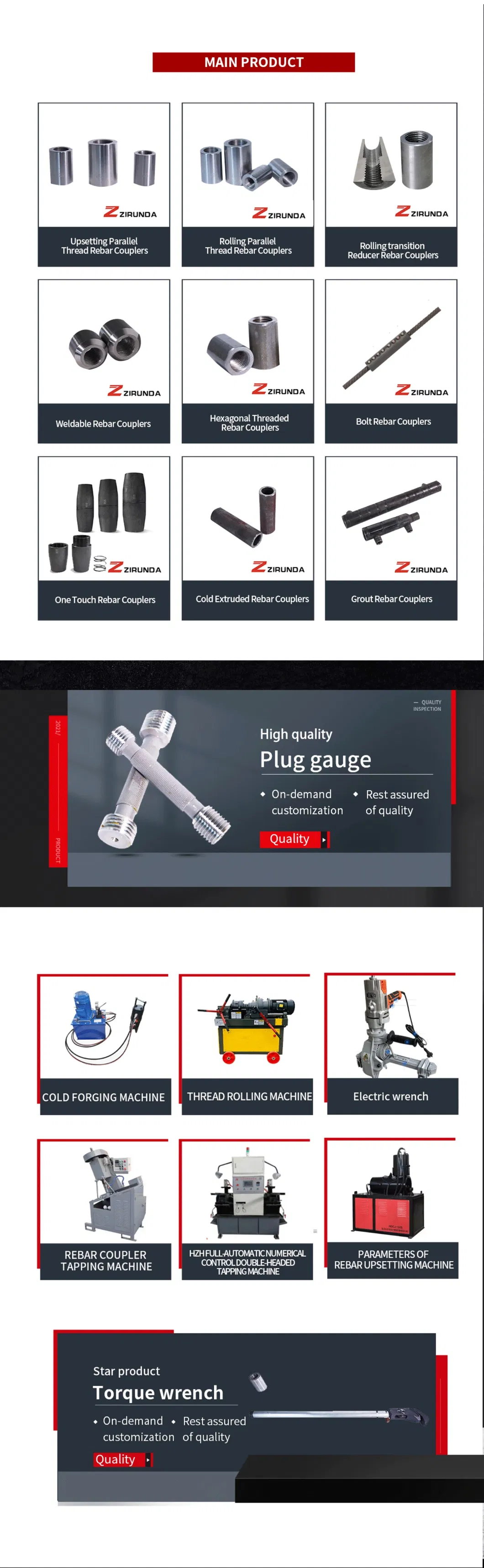
Product Overview
Thread Distribution
Internal Thread
Certification
CQC, CCC, PSE, TUV, VDE
Quality Level
High-Quality
Function
Enhance Compressive and Tensile Strength
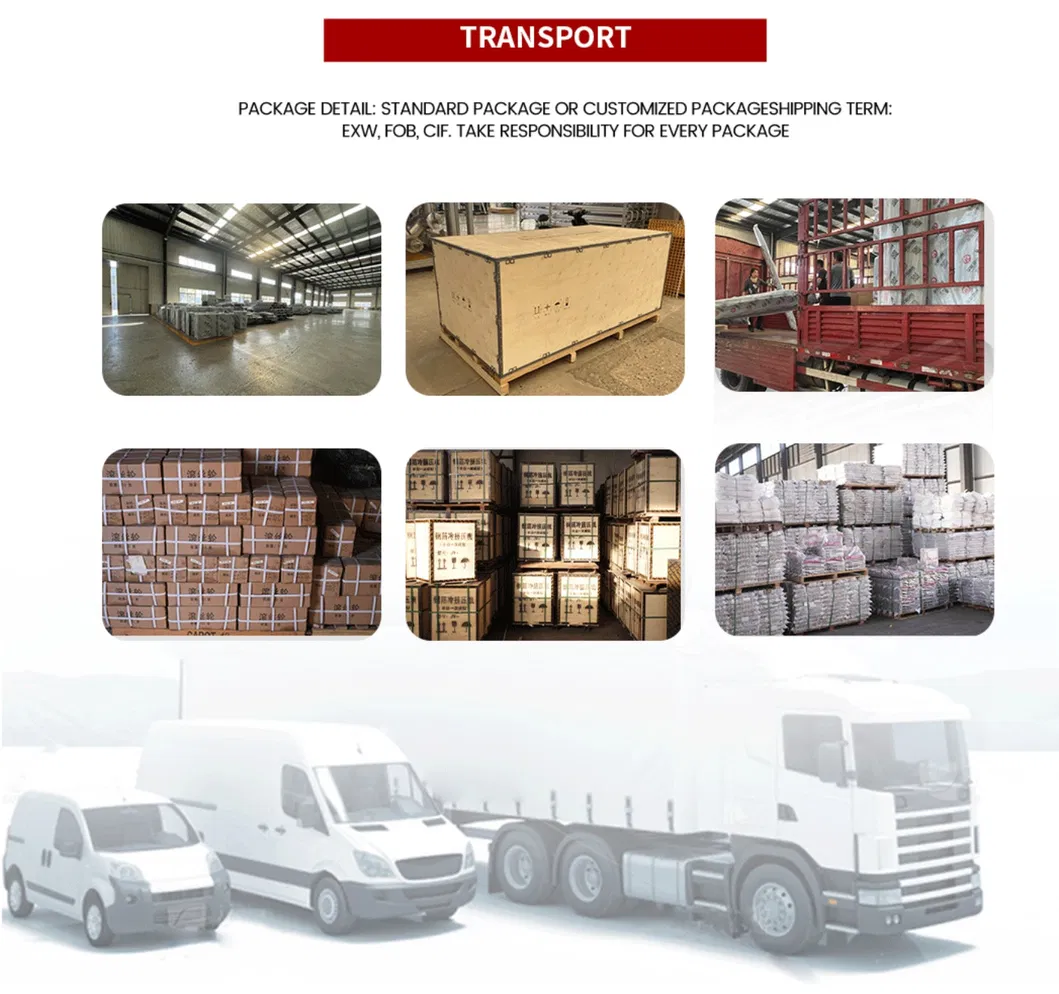
Transport Package
Carton Box
Production Capacity
10,000,000 pieces
Packaging & Delivery
Package Size
10.00cm * 10.00cm * 10.00cm
Package Gross Weight
1.000kg
Lead Time
1 days (1 - 10000 Pieces)
To be negotiated ( > 10000 Pieces)
Detailed Photos
Product Parameters
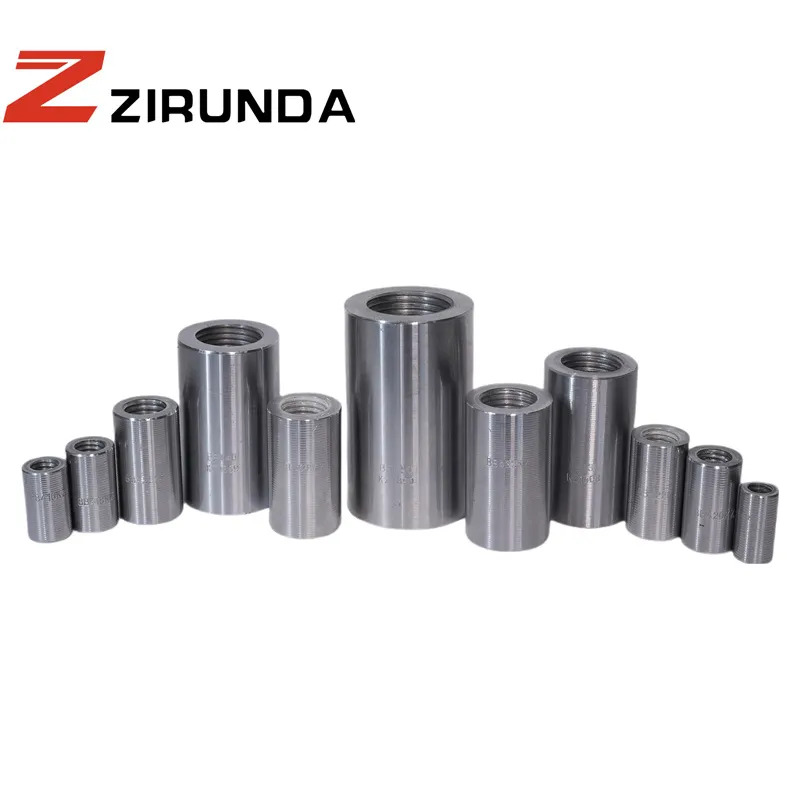
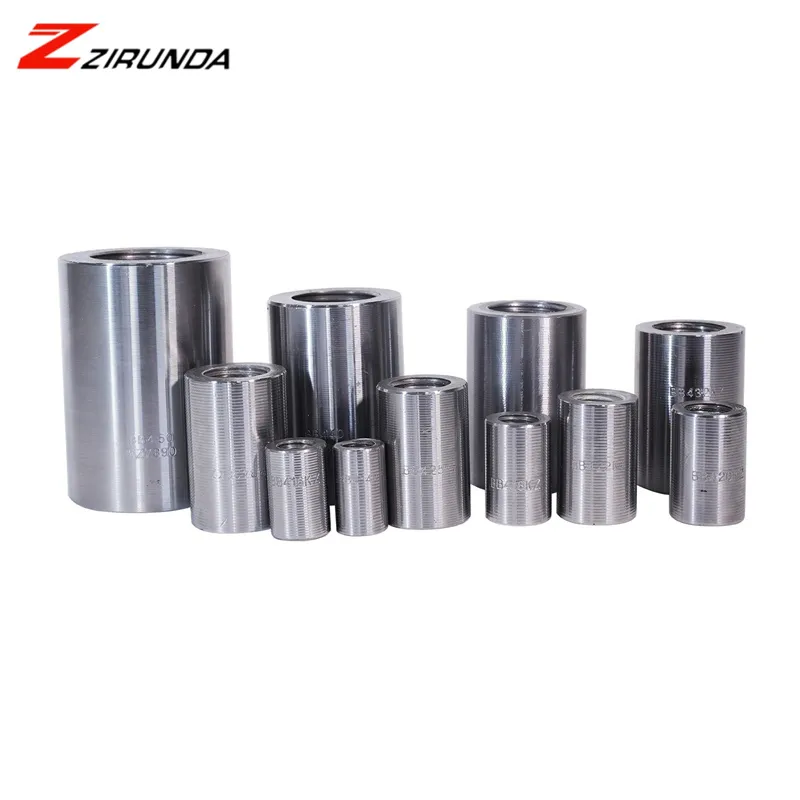
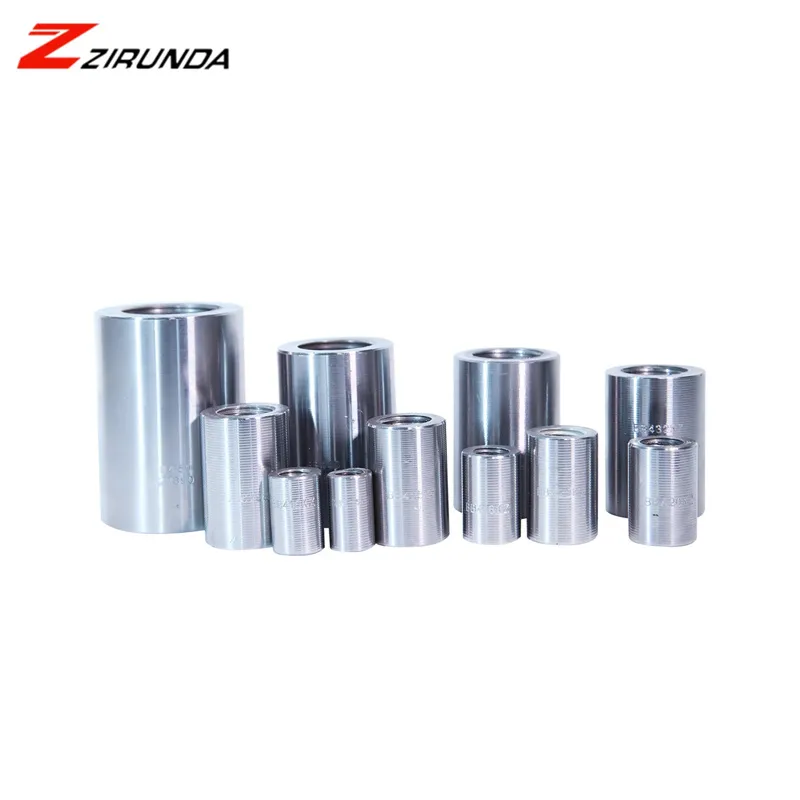
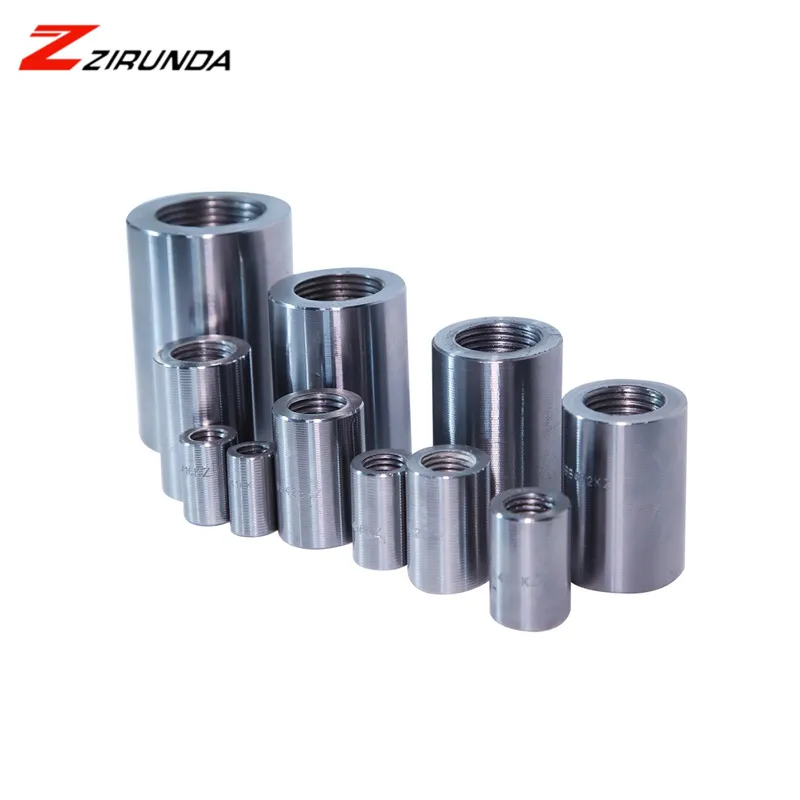
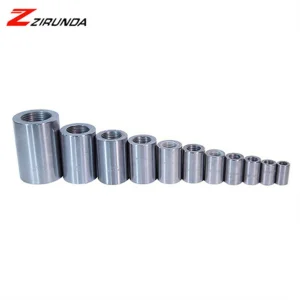
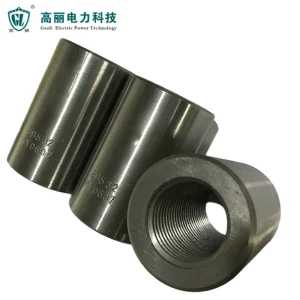
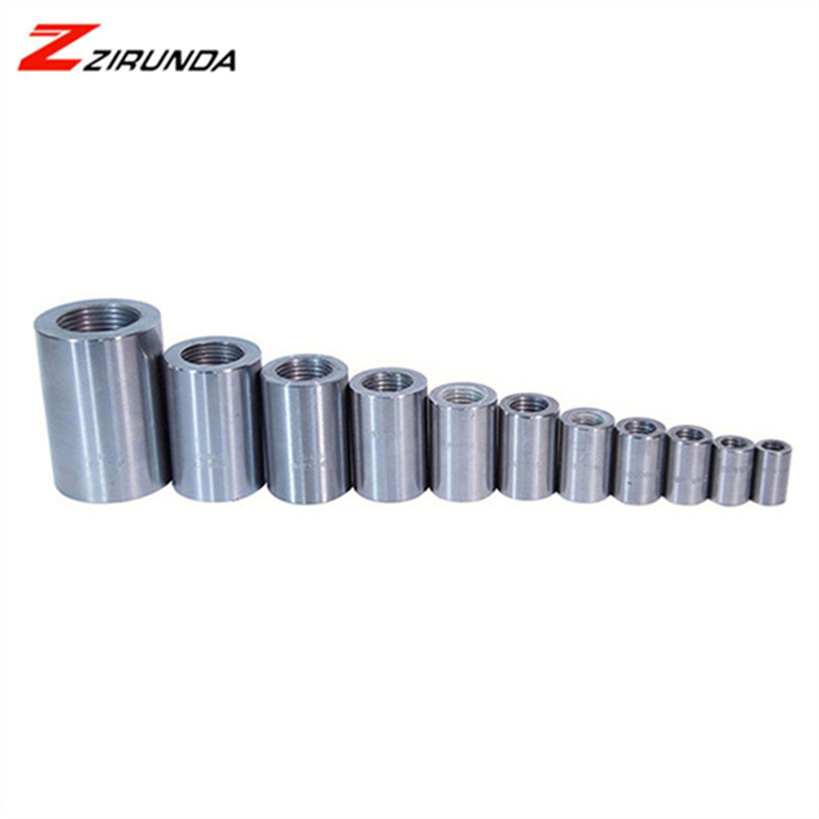
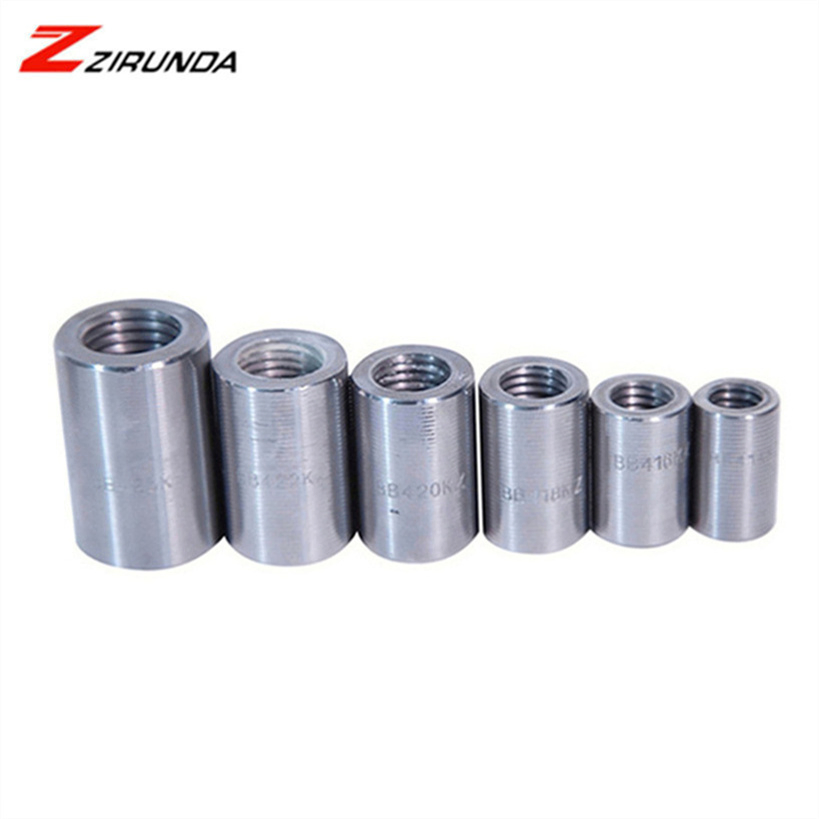
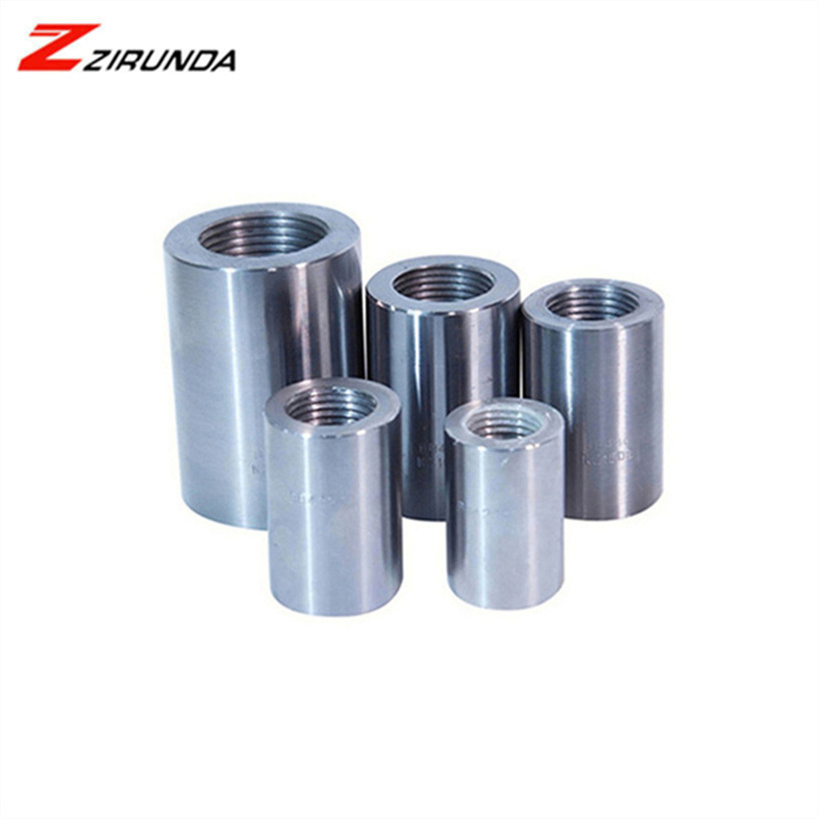
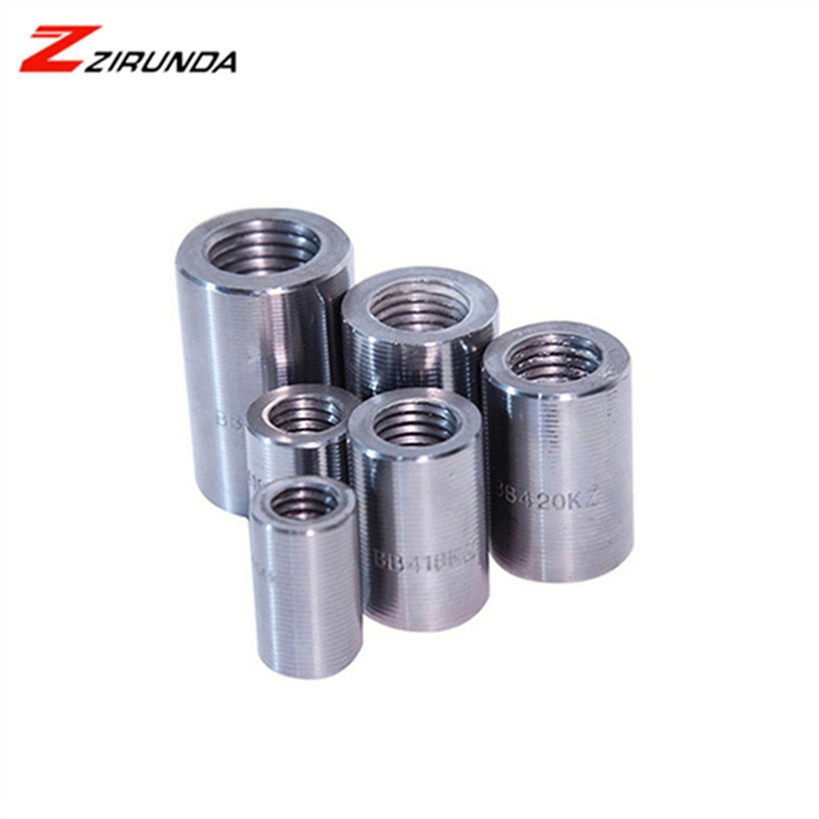
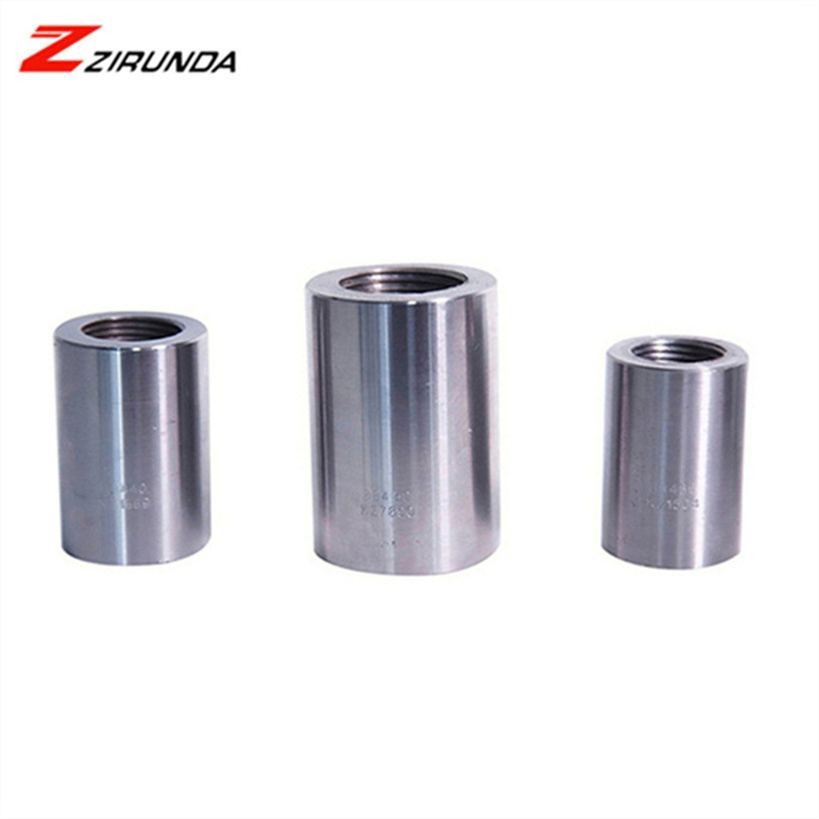
Steel bars are used as reinforcement in construction to enhance concrete's strength. In structural units like columns and beams, these bars must be connected or spliced together. Steel bar couplers represent one of the most reliable methods for this connection, widely known as mechanical splicing. A steel bar coupler is a highly durable mechanical nut with internal threading that joins two threaded rebar ends seamlessly, avoiding the necessity of overlapping steel bars.
| Coupler Size |
Outer Dia ±0.5mm |
Inner Dia +0.25mm |
Length +2mm |
Thread Pitch (mm) |
Thread Angle |
Weight/Pc (kg) |
| D12 |
19 |
10.28 |
35 |
M12*1.75P |
60° |
0.036 |
| D14 |
21 |
12.55 |
38 |
M14.8*2.5P |
60°/75° |
0.068 |
| D16 |
24 |
14.50 |
43 |
M16.8*2.5P |
60°/75° |
0.099 |
| D18 |
27 |
16.35 |
48 |
M18.6*2.5P |
60°/75° |
0.125 |
| D20 |
29 |
18.45 |
53 |
M20.6*2.5P |
60°/75° |
0.180 |
| D22 |
33 |
20.35 |
58 |
M22.6*2.5P |
60°/75° |
0.205 |
| D25 |
37 |
23.15 |
63 |
M26.0*3.0P |
60°/75° |
0.317 |
| D28 |
41 |
25.95 |
68 |
M28.6*3.0P |
60°/75° |
0.399 |
| D32 |
47 |
30.15 |
80 |
M32.8*3.0P |
60°/75° |
0.640 |
| D36 |
54 |
33.85 |
83 |
M36.7*3.5P |
60°/75° |
0.900 |
| D40 |
59 |
37.55 |
88 |
M40.4*3.5P |
60°/75° |
1.099 |
| D50 |
74 |
47.10 |
125 |
M50.4*3.5P |
75° |
1.298 |
📌 Three Methods for Splicing Steel Bars:
-
Overlapping: Steel bars are connected by overlapping. The overlap length spans 50-70 times the bar diameter. Larger bars necessitate significantly longer overlap structures.
-
Steel Bar Connector: A specialized coupler designed to splice bars. Threads are cut at both ends of the bar to joint them seamlessly, eliminating overlap entirely.
-
Welding: Two steel bars are unified via overlapping welding. While it requires less length than basic overlapping, incorrect welding rods or techniques can degrade mechanical performance.
Among these, the steel bar coupler method stands out as the most economical, straightforward, and earthquake-resistant choice.
⚖️ Rebar Joint Classifications (According to ACI 318-19):
-
Type 1 Steel Bar Joint: Classed as Type 1 if the ultimate strength exceeds the yield strength of the bar by 25%. Cutting threads directly into the standard bar ends reduces the diameter, leading to failures in the threaded areas during tensile stress tests. These are restricted in high-seismic structures.
-
Type 2 Steel Bar Coupler: Classed as Type 2 if ultimate strength is 25% higher than rebar yield strength and matches or exceeds the rebar's ultimate strength. Bar ends are expanded via cold forging prior to threading, ensuring the thread area's diameter does not decrease. Failure occurs far away from the coupler during tensile tests, making it excellent for seismically active construction projects.
🛠️ Core Purpose Classifications:
-
Standard Joint: Utilized for connecting two bars of matching diameter where the bar is rotatable.
-
Reducing Joint: Connects steel bars of differing diameters, primarily to taper rebar diameter upward in columns or pillars.
-
Position Coupler: Required when neither of the steel bars can be rotated. They are widely utilized in splicing cast-in-place pile cages.
Product Details
Capabilities & Profile
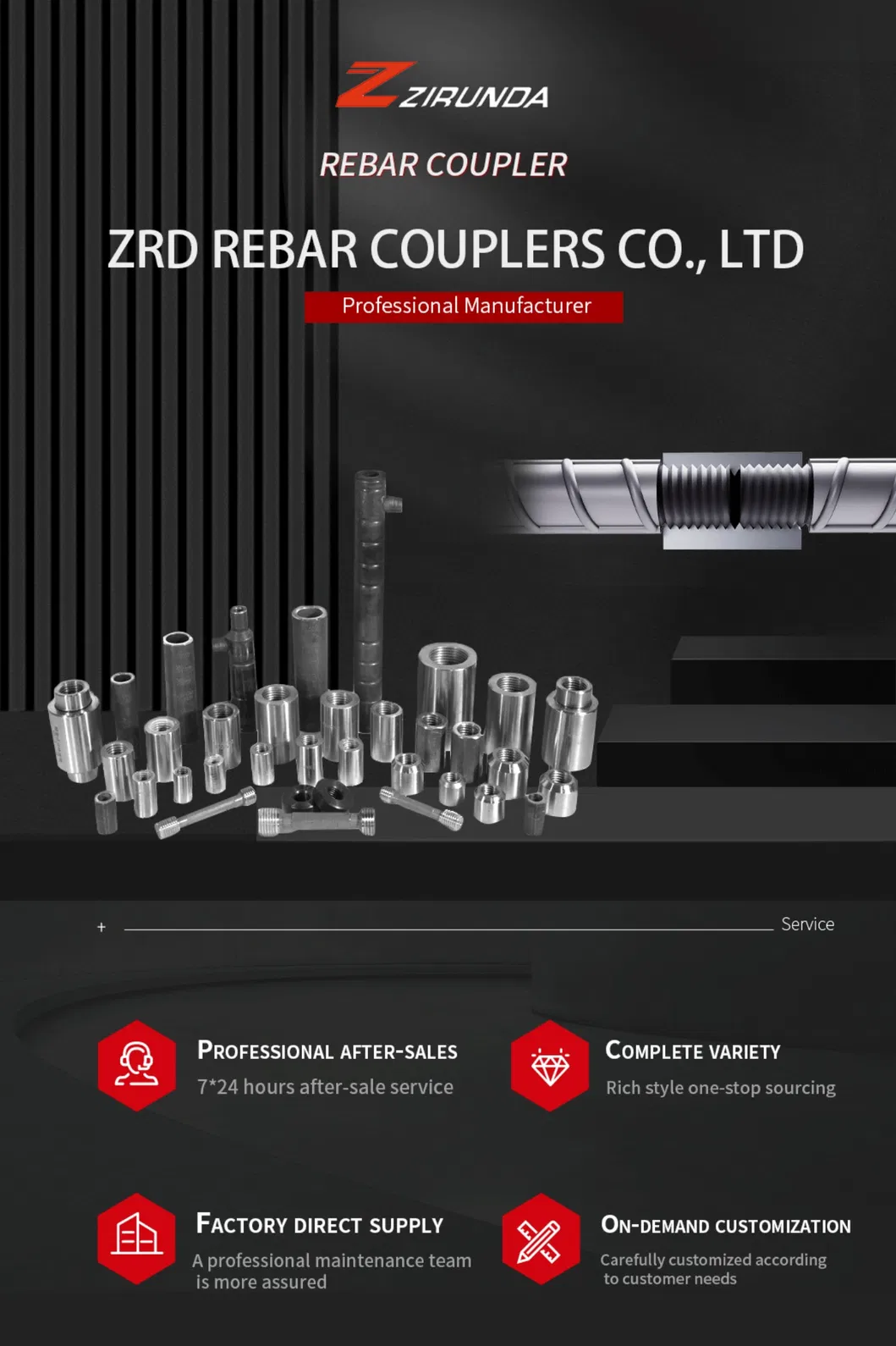
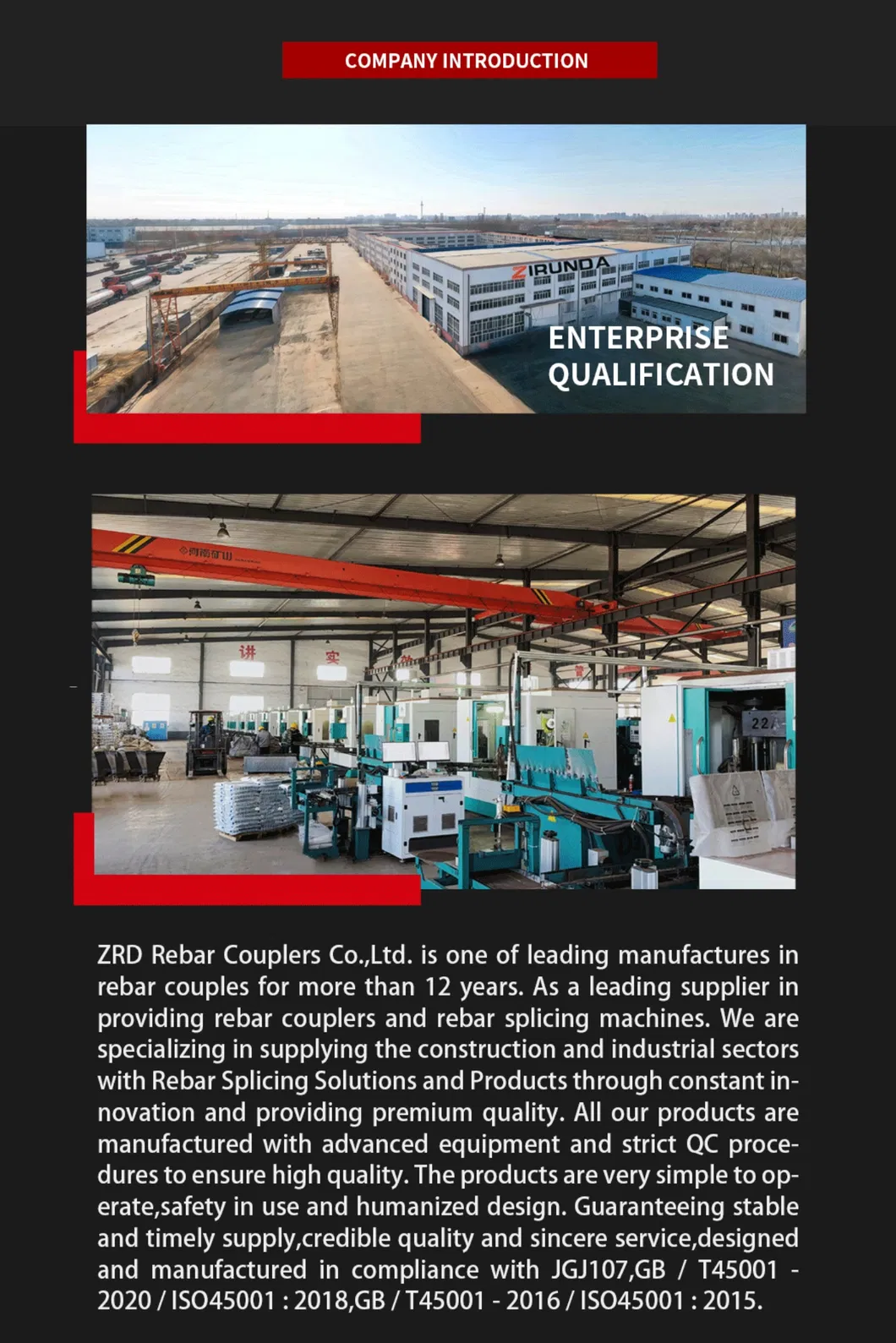
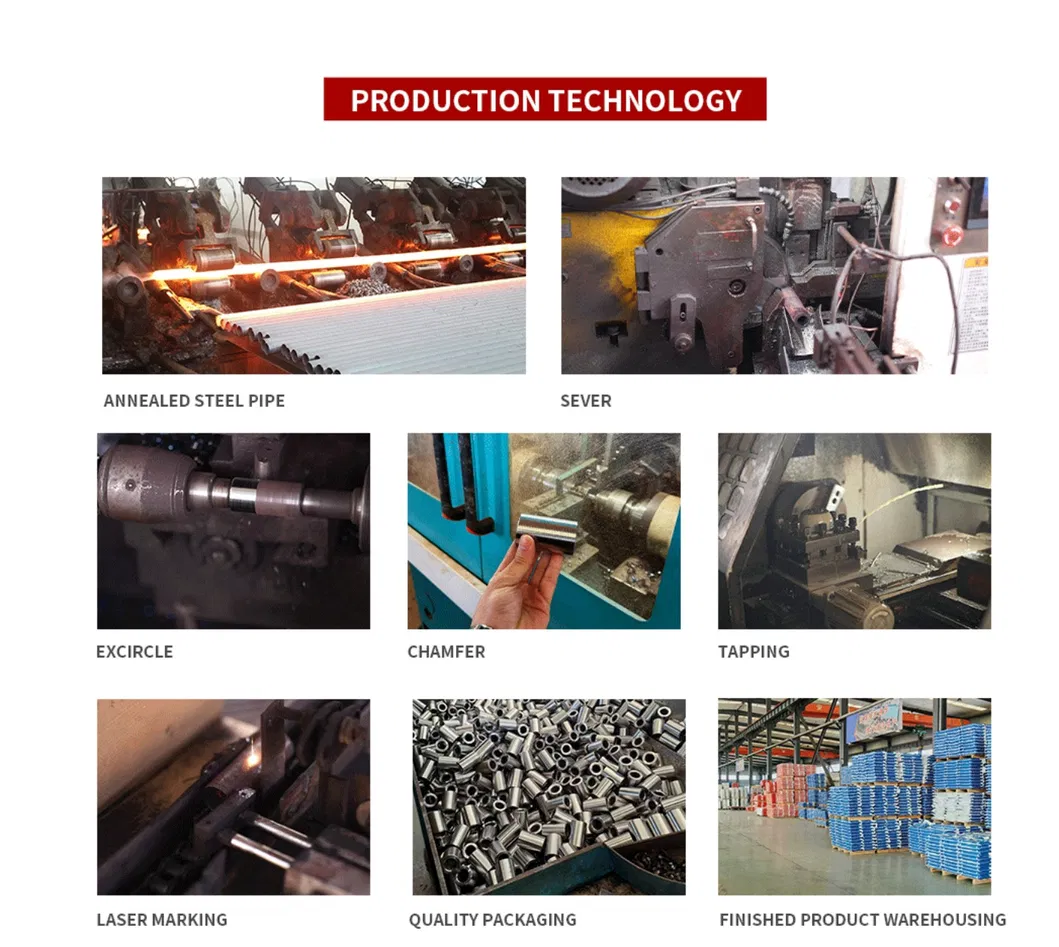
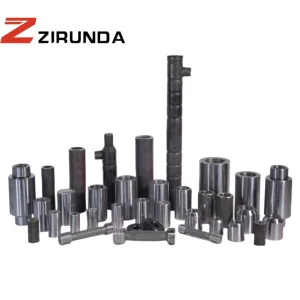
As a leading manufacturer and supplier specializing in rebar couplers and rebar splicing machines with over 12 years of experience, we provide high-grade rebar splicing solutions through constant innovation. All products are manufactured using advanced equipment and strict QC procedures to ensure excellent reliability, simple operation, safety, and user-friendly designs. Our manufacturing processes fully comply with key global specifications, including ISO9001 quality systems.
Our main production range comprises diverse building steel bar connection systems and mechanical connection sleeves. We also design matching system tools, including rolling wheels, cutting tools, special gauges, torque wrenches, and other construction aids. Adhering to honest, customer-centric, and quality-driven operations, we look forward to establishing robust international trade relations worldwide.
Global Partners
Frequently Asked Questions (FAQ)
Are you a trading company or a manufacturer?
We are an original equipment manufacturer (OEM), providing reliable direct factory production.
How is the quality of your products controlled?
All products undergo 100% thorough testing before shipment to guarantee stable performance and top-tier quality.
What is your typical delivery lead time?
Generally, it is 7 days if the goods are currently in stock. If the goods are out of stock, it takes 12-15 days, largely depending on the final order volume.
What terms of payment do you offer?
Payments are processed in USD or RMB based on the standard value of goods. We accept flexible payment options, including T/T and L/C.
What are the three main methods for splicing steel bars?
The three methods are: 1) Overlapping (bars overlap by 50-70x diameter), 2) Steel bar couplers (threaded end splicing), and 3) Overlapping welding. Splicing via mechanical couplers is widely regarded as the most simple, economical, and earthquake-resistant choice.
What is the structural difference between Type 1 and Type 2 couplers?
Type 1 couplers feature threads cut straight into rebar ends, which reduces standard diameter and makes the threaded region slightly weaker. Type 2 couplers undergo cold forging to increase end diameter before threading, ensuring ultimate joint strength that meets or exceeds the parent rebar.
 ABP Scaffolding