ABP Scaffolding ABP Scaffolding

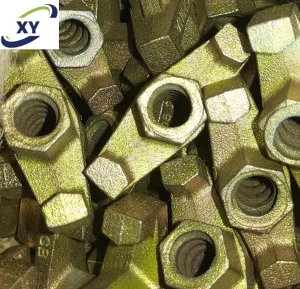
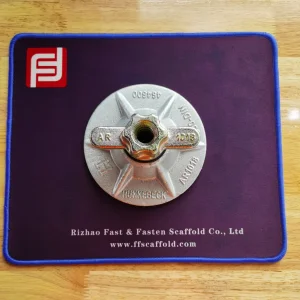
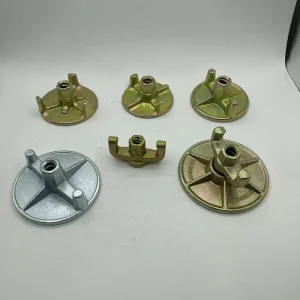
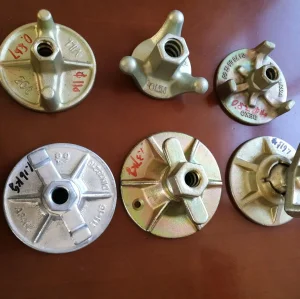
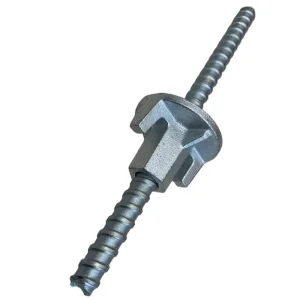
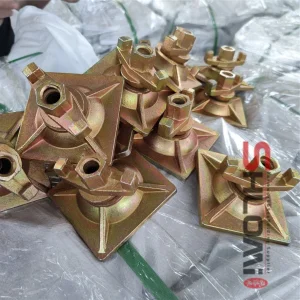
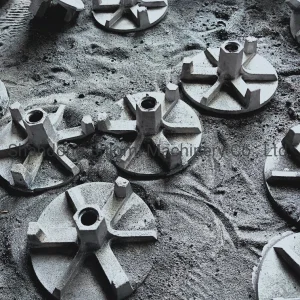
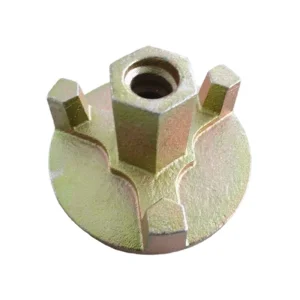
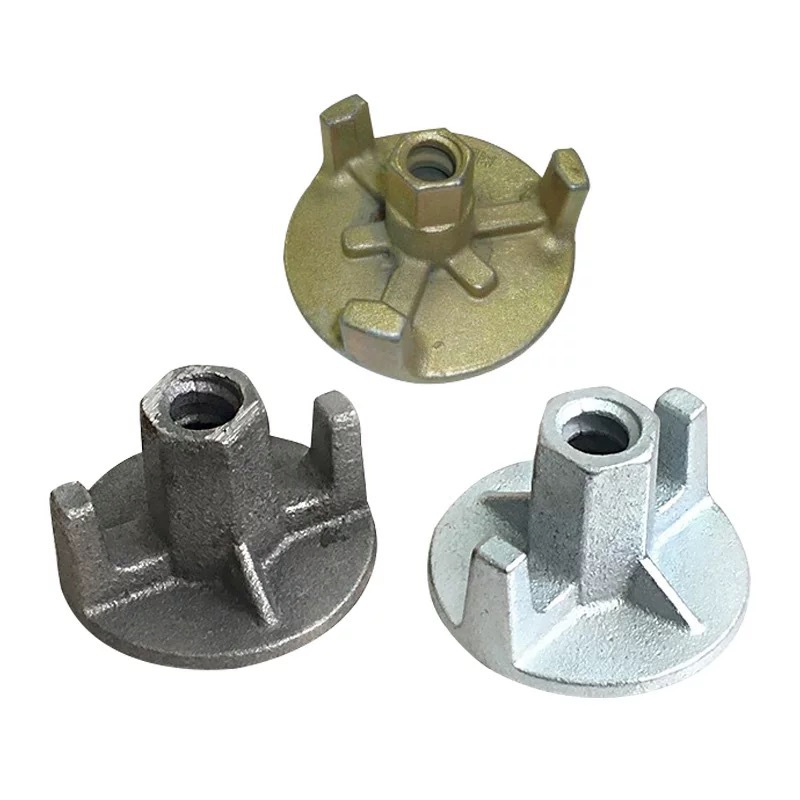
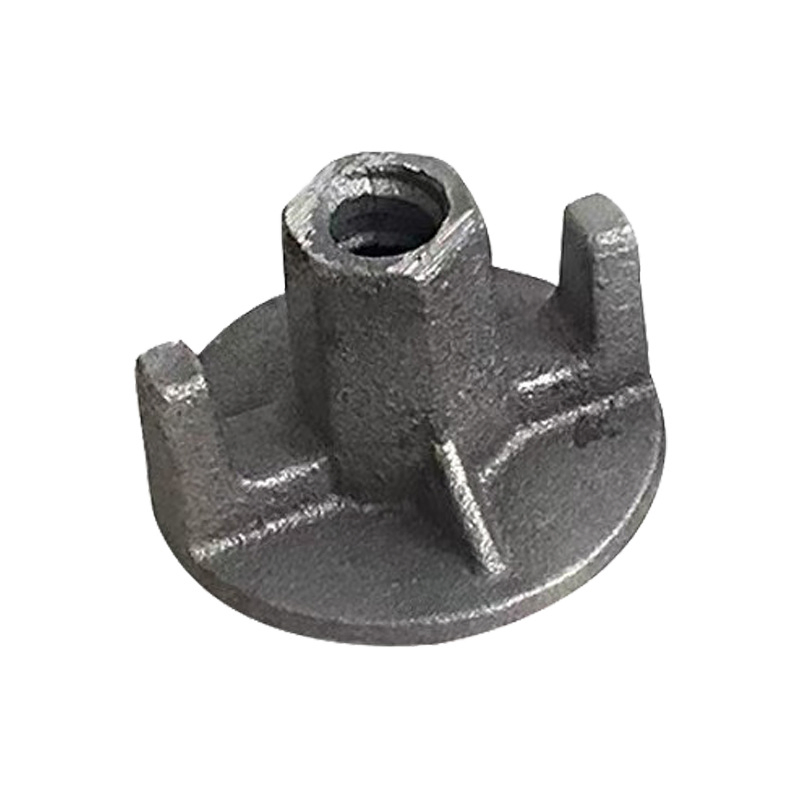
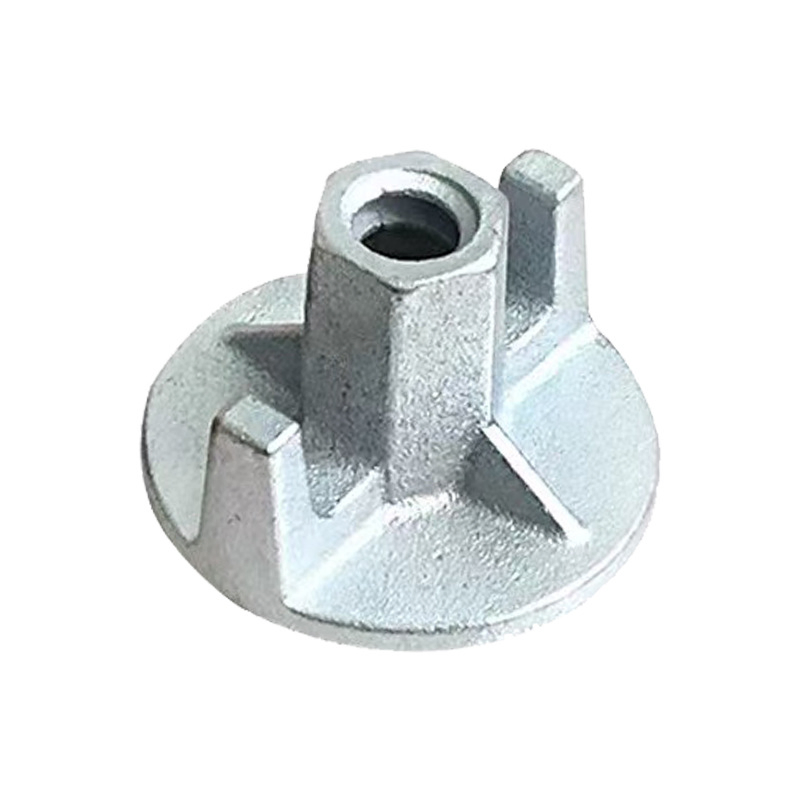
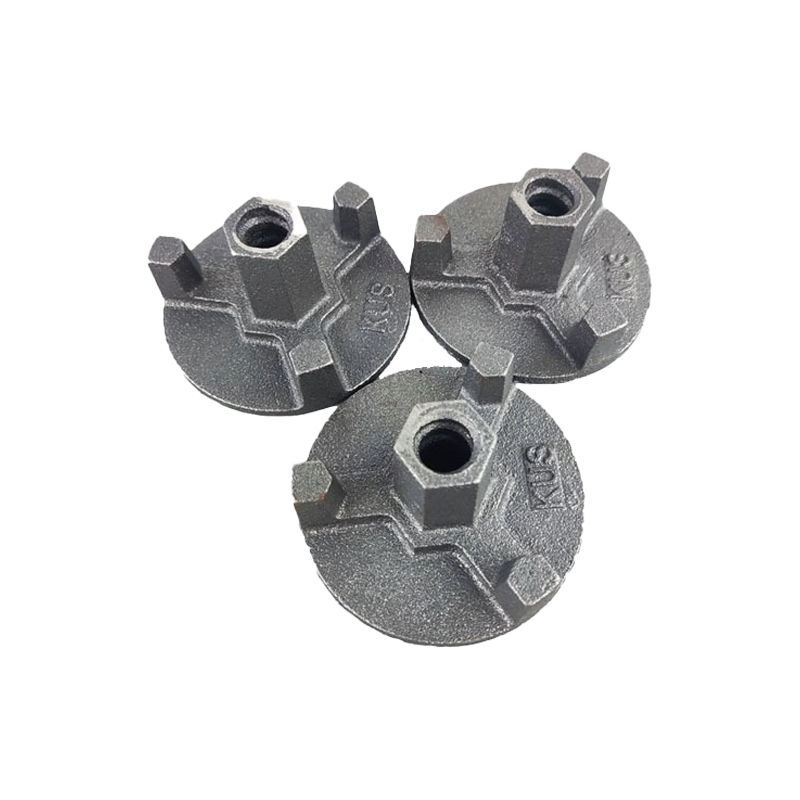
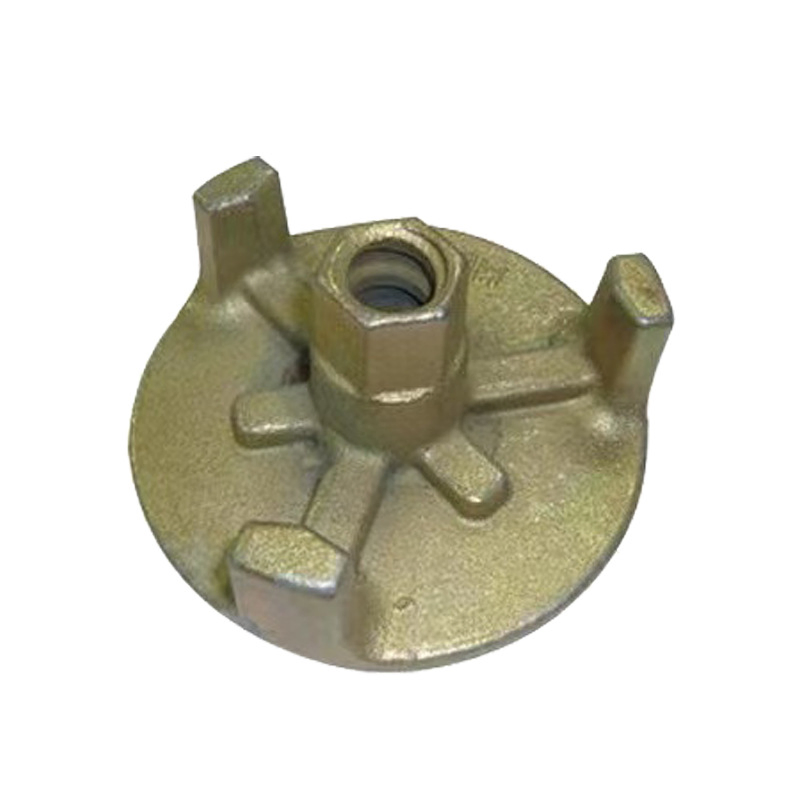
Customized Three-Claw Circular Tie Rod Wing Anchor Nut for Construction Concrete

Product Description

Three-Claw Circular Tie Rod Wing Anchor Nut Overview
📋

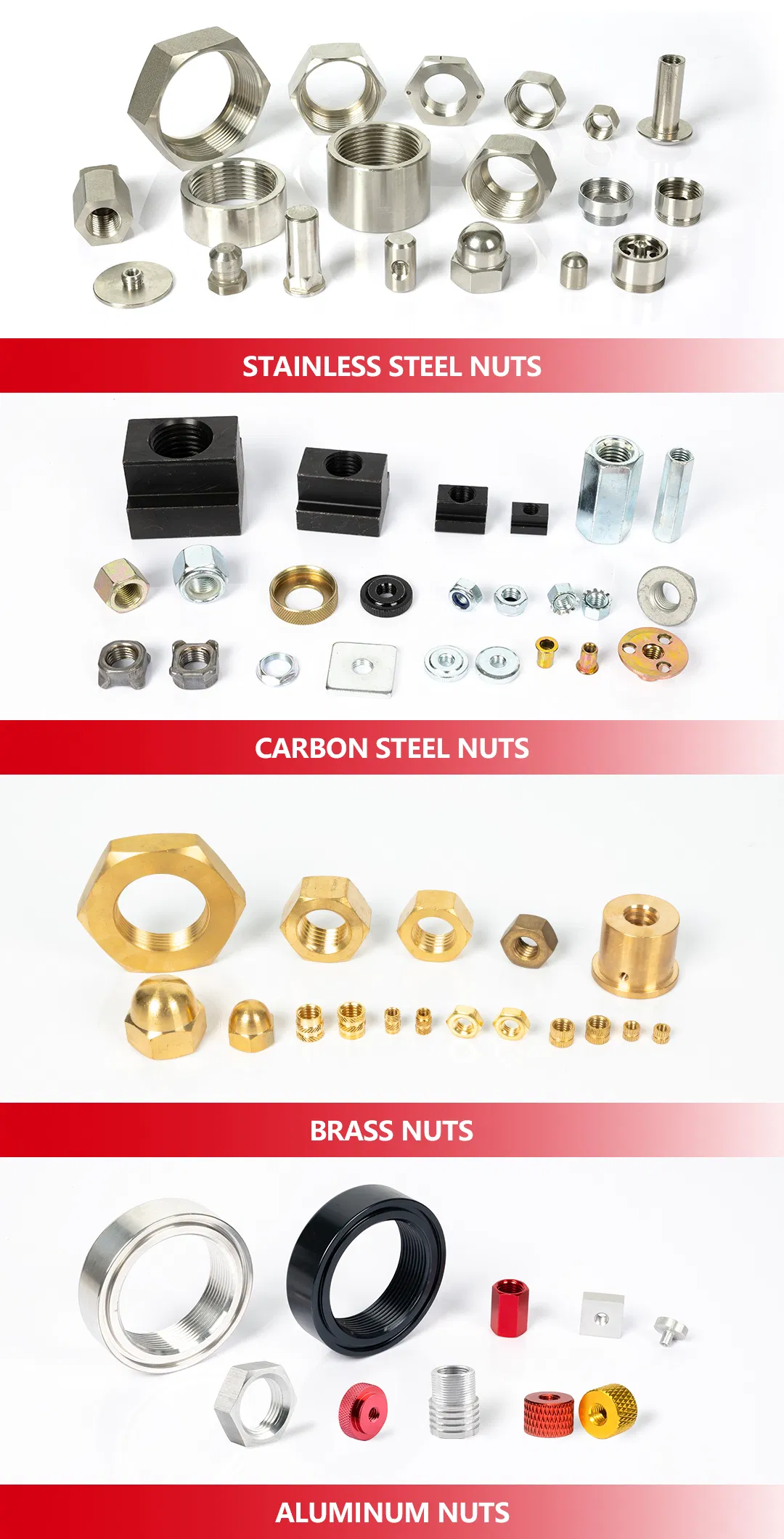
Material Selection Guide

Material Corrosion Resistance Temperature Resistance Magnetic Applications
Carbon Steel Low -20°C to 300°C Yes General purpose, construction, indoor machinery, automotive.
Alloy Steel Low to Medium -50°C to 450°C Yes High-strength & high-load applications.
SS304 Stainless Steel Good -196°C to 800°C No Food processing, kitchen, chemical equipment.
SS316 Stainless Steel Excellent -196°C to 800°C No Marine environments, medical implants.
Brass Good -20°C to 200°C No Electrical, plumbing, decorative.
Aluminum Alloy Good -200°C to 150°C No Aerospace, drones, bicycles.
Titanium Alloy Excellent -200°C to 600°C No High-end aerospace, medical, chemical.
Nylon (Plastic) Excellent -40°C to 85°C No Electrical insulation, electronics.
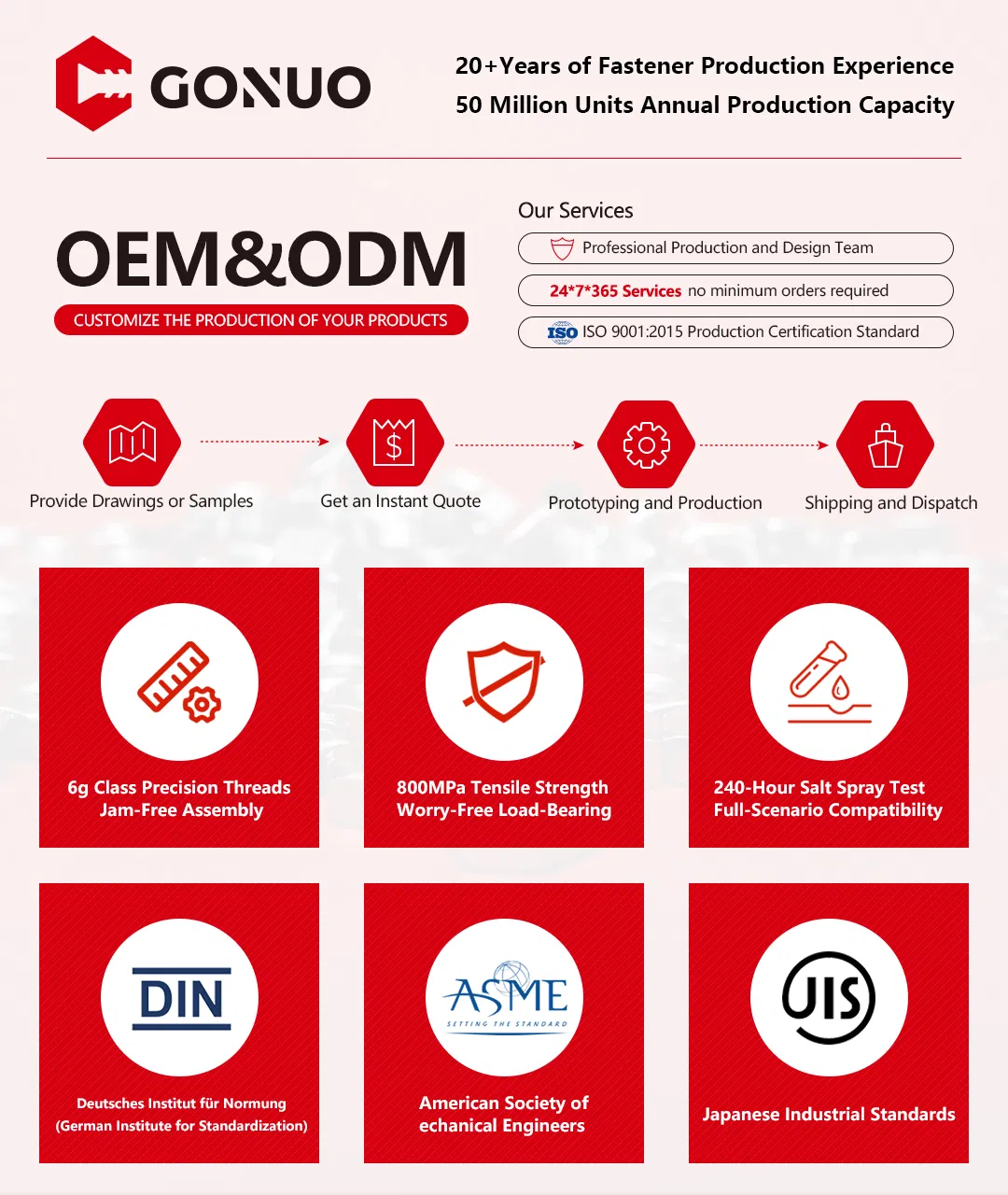
Product Specification Details
🏗️

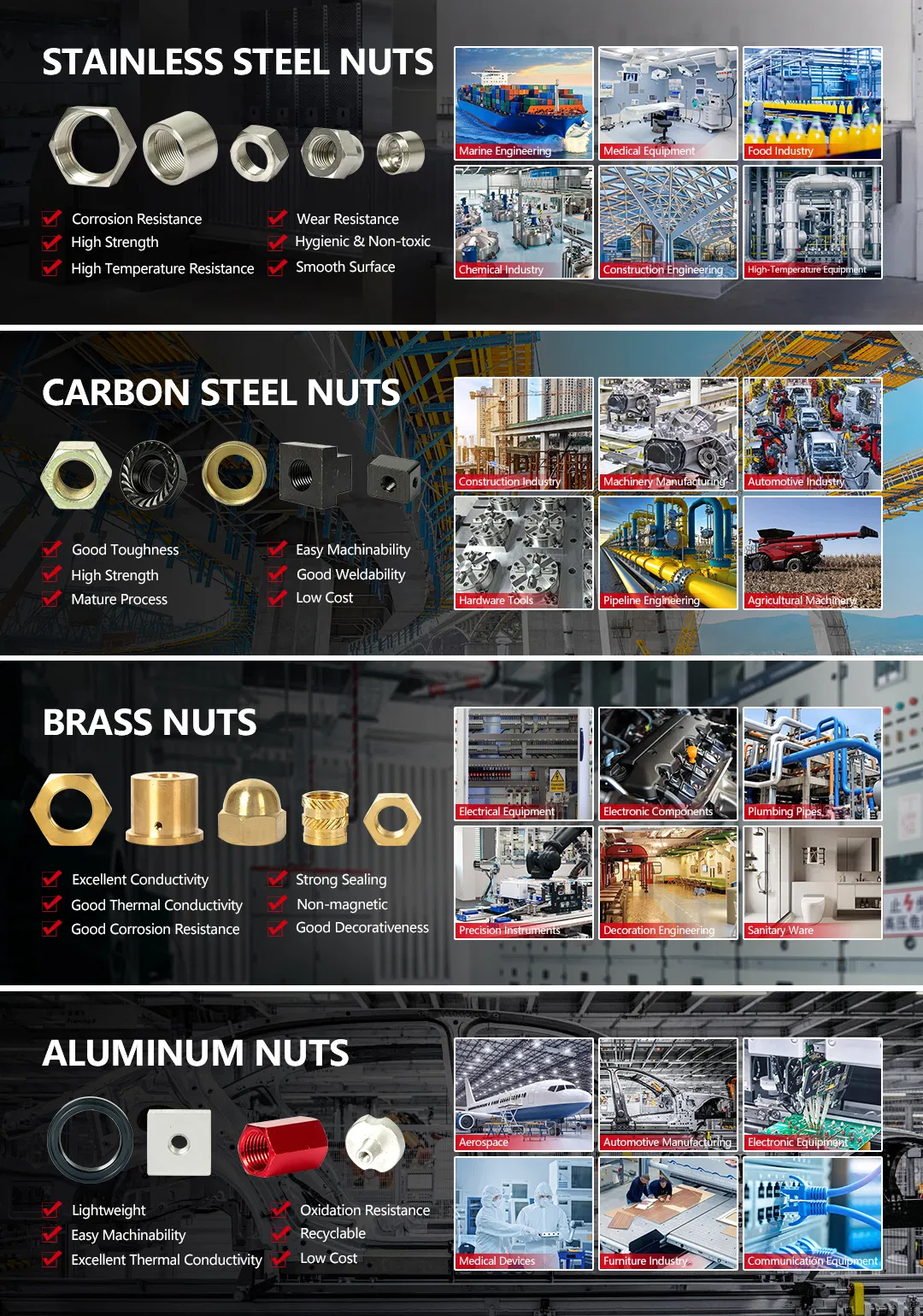
Product Application

Nut Application Scenarios
🏭

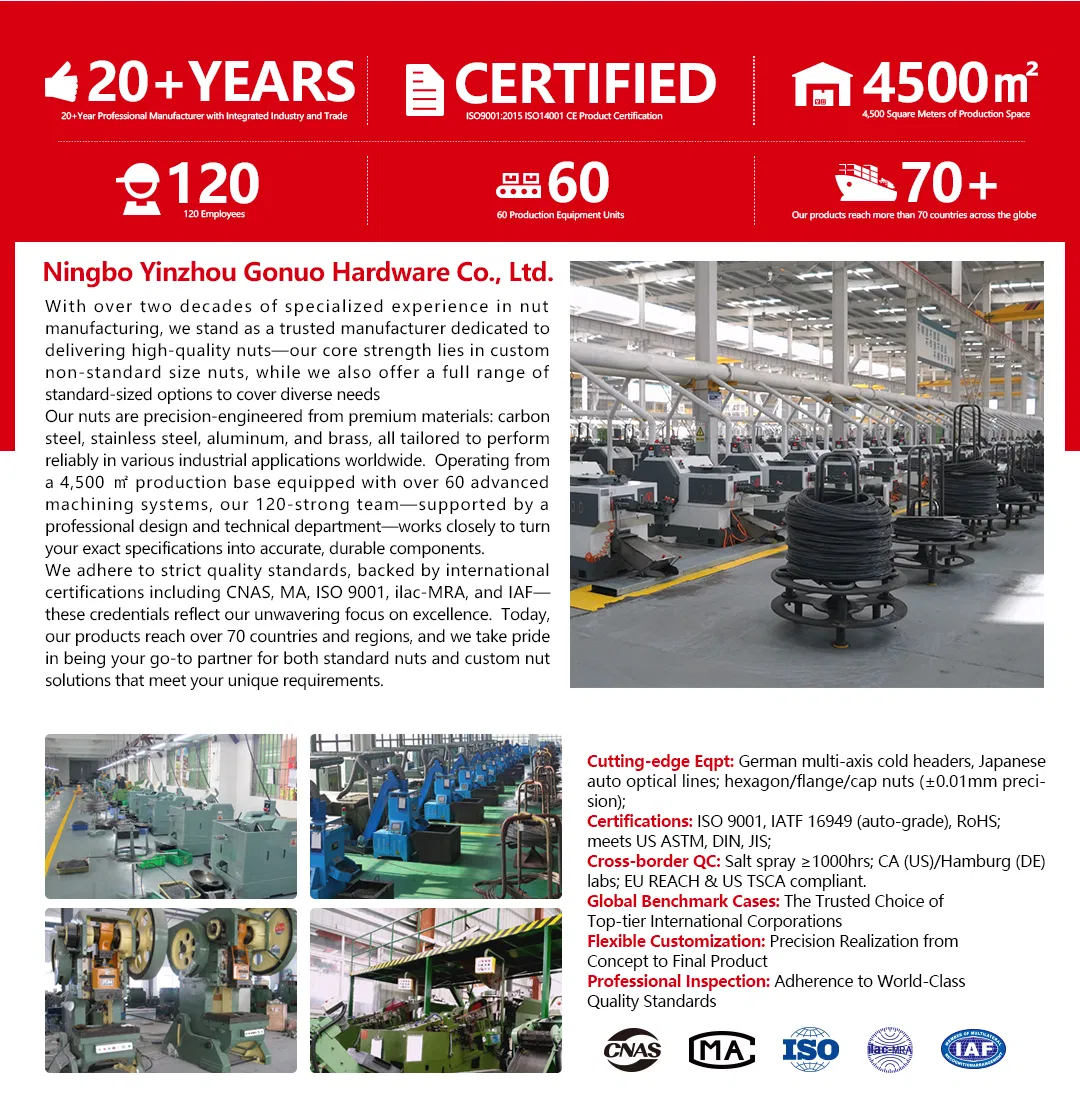
Production Excellence

Manufacturing Capability
📜

Certifications

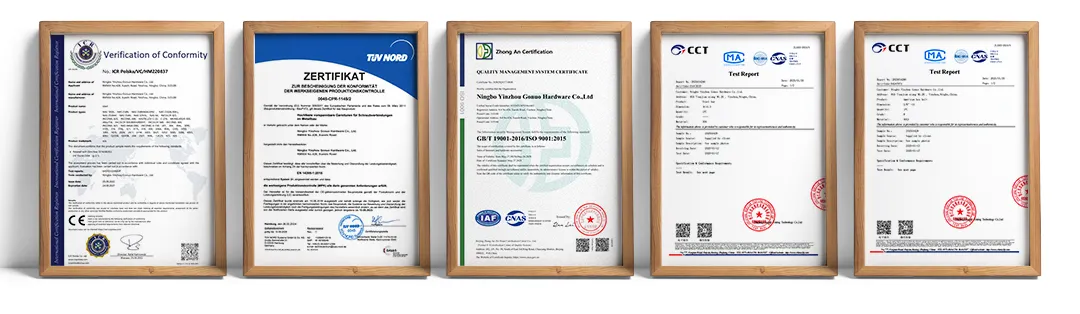
Quality Certifications
📦

Packaging & Shipping

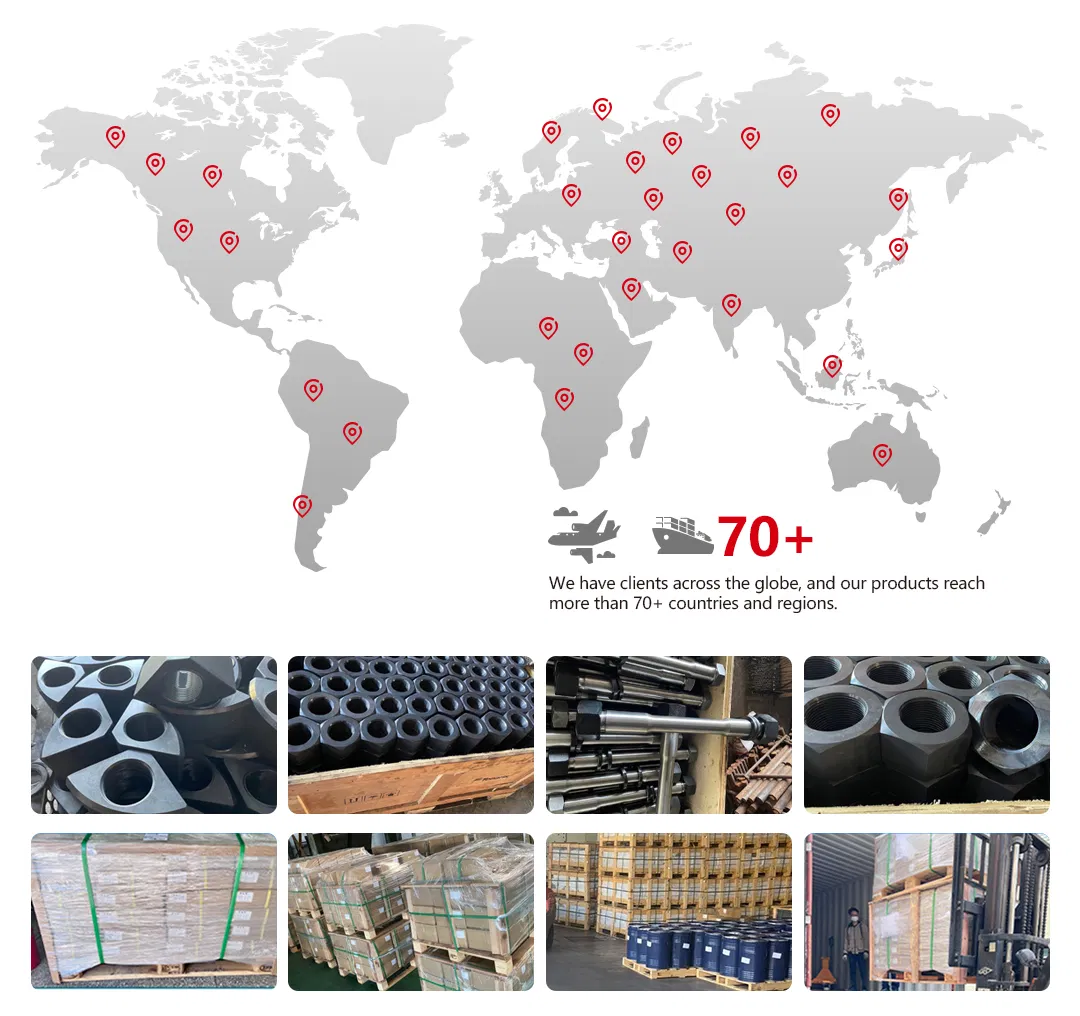
Safe Packaging and Logistics

Frequently Asked Questions

What materials are nuts made of and how to choose?
Common materials include carbon steel, stainless steel, brass, and nylon. Carbon steel provides high strength; stainless steel is ideal for corrosion resistance; brass is non-magnetic; and nylon is used to prevent vibration and loosening.
What is the primary difference between a nut and a bolt?
Nuts feature internal threads and are designed to pair with externally threaded bolts. While the bolt passes through the components, the nut is tightened to secure the assembly.
How can I prevent nuts from loosening over time?
You can use specialized lock nuts, apply thread-locking chemical compounds, or utilize mechanical locking devices such as spring washers or split pins.
How do I prevent nuts from corroding in harsh environments?
Select corrosion-resistant materials like stainless steel or galvanized steel, apply protective anti-corrosion coatings, and perform regular maintenance checks.
How do I choose the correct nut size and specification?
Nuts must match the bolt's thread diameter and pitch. Consider the intended load, environmental factors, and available space. Always refer to international standards for precise matching.
What tools are recommended for installation and removal?
Standard wrenches, socket sets, and impact wrenches are common. For applications requiring precise tension, a calibrated torque wrench should be used.

Related Products