ABP Scaffolding
ABP Scaffolding
ABP Scaffolding
In the modern construction and industrial maintenance landscape, the shift toward lightweight scaffolding casters is not merely a trend—it is a technical necessity. As infrastructure projects become more complex and safety regulations like OSHA (USA) and EN (Europe) become more stringent, the demand for mobility solutions that combine low tare weight with high load-bearing capacity has skyrocketed.
Global procurement teams are no longer just looking for a "wheel." They are seeking integrated mobility components that reduce worker fatigue, lower transportation costs, and provide long-term reliability in harsh environments. This white paper analyzes the current state of the industry and why manufacturers like Shandong ABP Scaffolding Co., Ltd. are leading the way in forged and lightweight assembly technologies.
The selection of a scaffolding caster supplier is a strategic decision. Top-tier factories now offer solutions that address specific vertical market challenges:
Focus on wind-resistance, automatic locking mechanisms, and high-strength polyurethane treads to protect interior flooring.
Emphasis on corrosion resistance. Using hot-dip galvanized finishes and stainless steel bearings to withstand saline environments.
Where safety is non-negotiable. Requires non-sparking materials and rigorous batch testing (SGS certified) for heavy-duty forged components.
For global procurement officers, the "Information Gain" lies in understanding the Total Cost of Ownership (TCO). A lightweight caster from a reputable supplier reduces the energy required for manual transport and minimizes the risk of job-site accidents, which are often the most significant costs in construction projects.
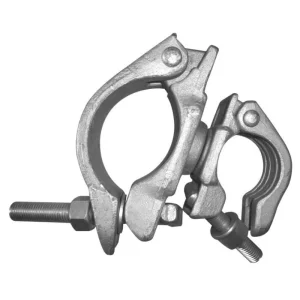
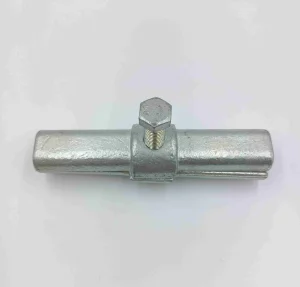
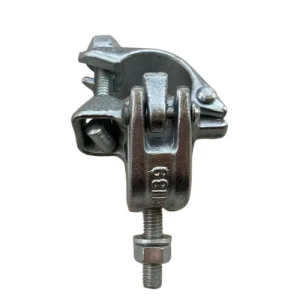
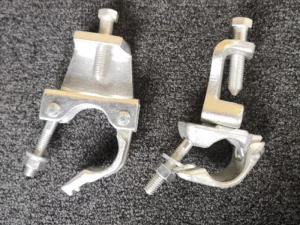
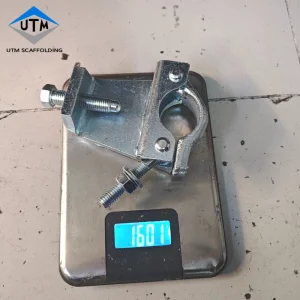
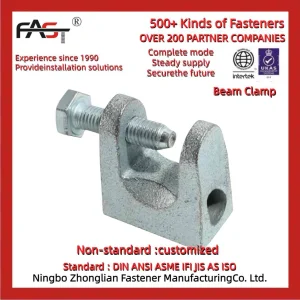
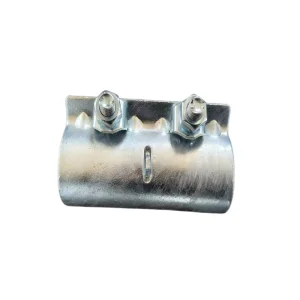
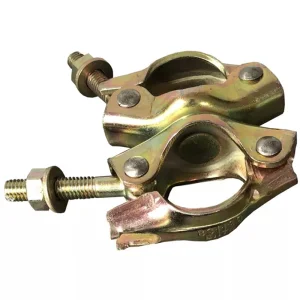
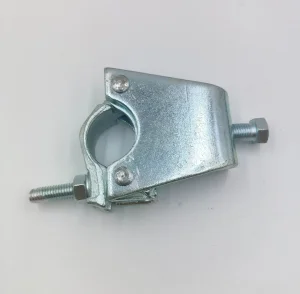
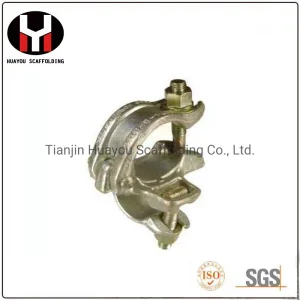
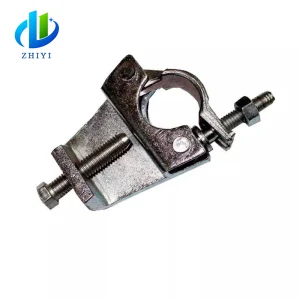
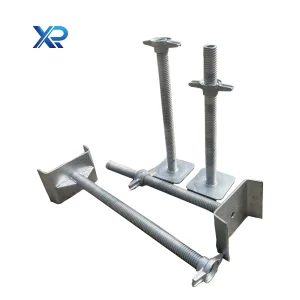
Shandong ABP Scaffolding Co., Ltd. is an export-oriented enterprise integrating production, sales, and service of scaffolding components and fasteners. We specialize in the manufacture of a wide range of forged scaffolding fasteners, including German, British, and American style right-angle and swivel couplers, forged butt couplers, and base plates.
Our products are exported to Europe, America, Australia, and other regions, while also serving major domestic projects in the nuclear power, petrochemical, and shipbuilding industries. We adhere to the philosophy of “survive by quality, develop by innovation.”

Manufactured in strict accordance with EN74 and BS1139 international standards. All items undergo SGS quality inspection.
Equipped with advanced production capabilities for extrusion, punching, and riveting, ensuring safer and more efficient construction projects.
The next decade of scaffolding technology will be defined by three pillars: Advanced Materials, Smart Design, and Sustainability.
As AI and IoT integrate into construction sites, we anticipate "Smart Casters" equipped with weight-load sensors to prevent overloading of scaffolding towers before they become a hazard.
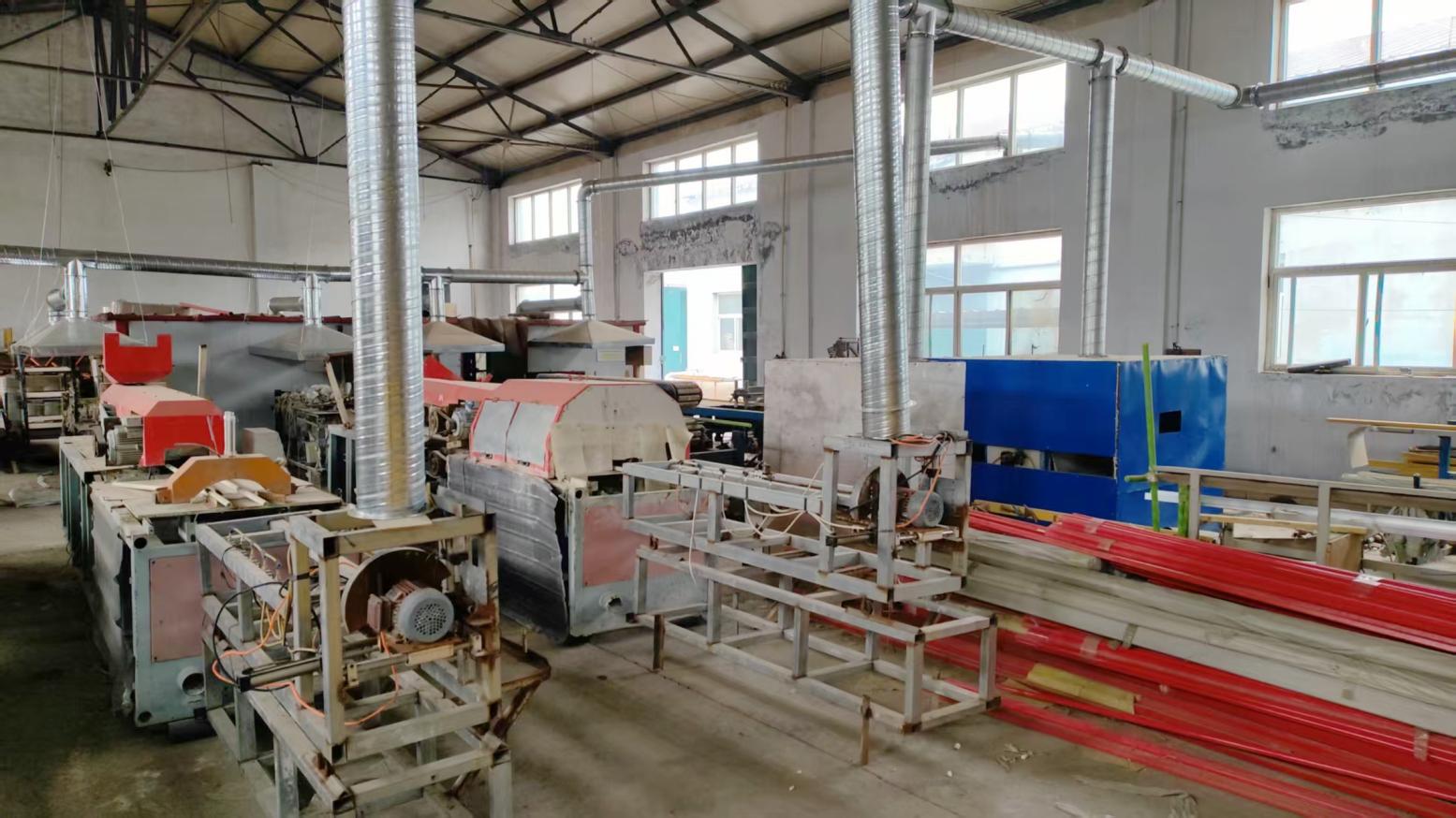
Extrusion Process
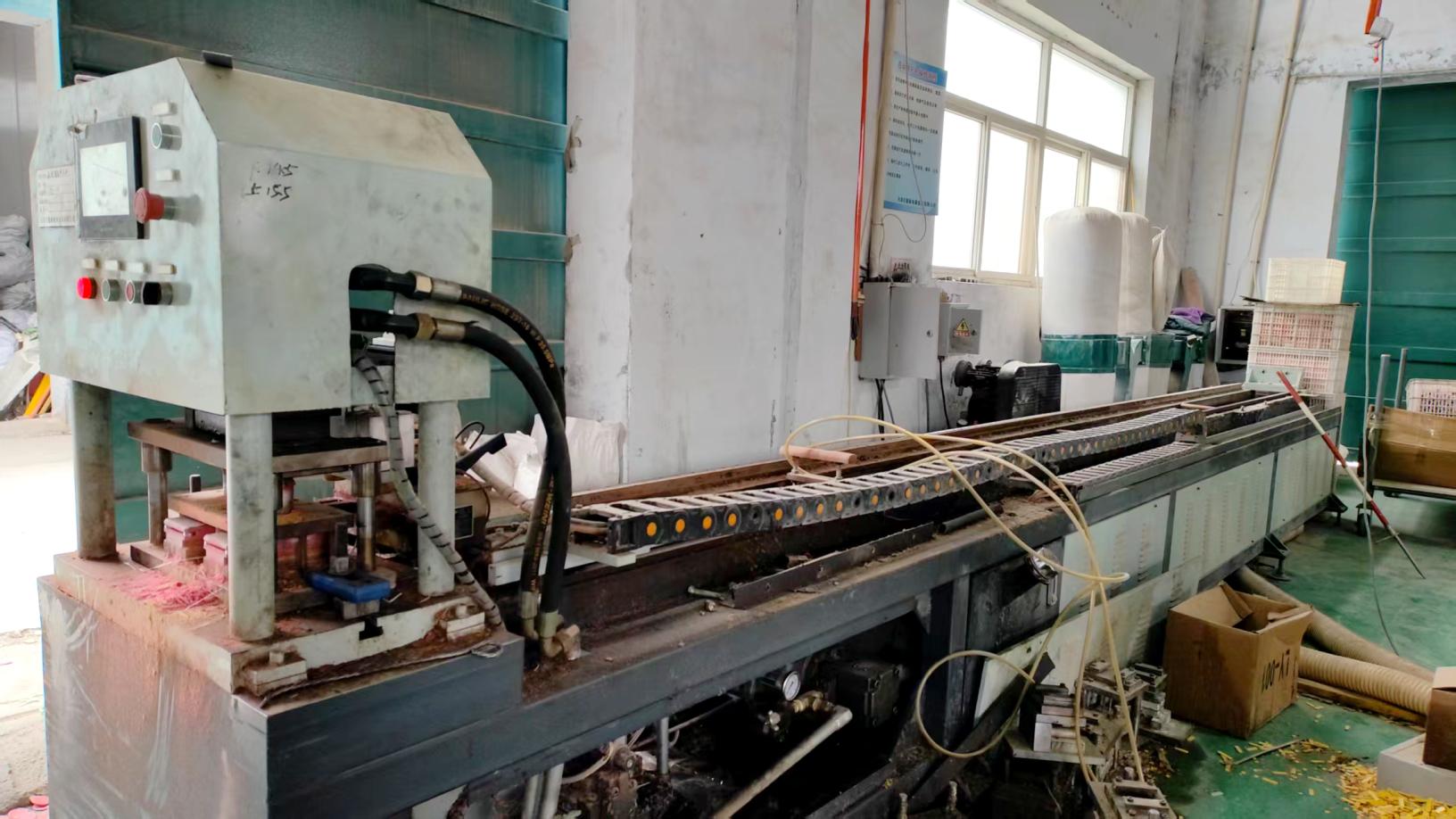
Punching
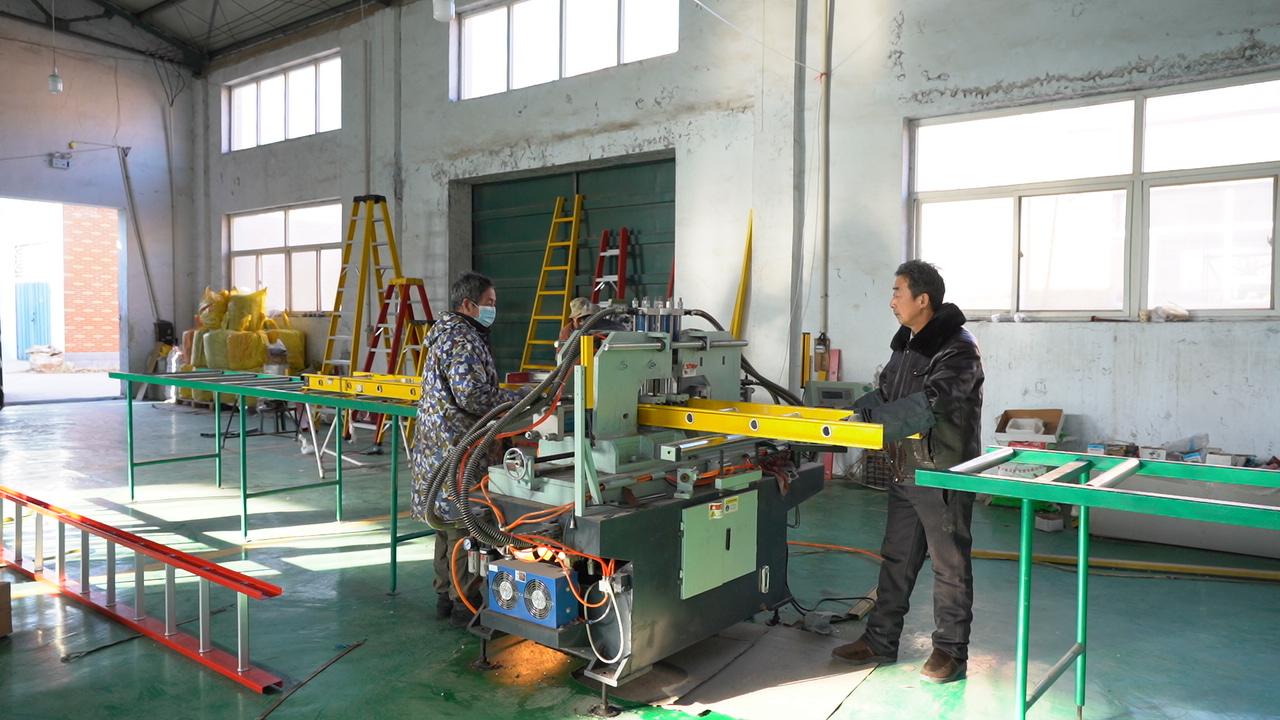
Riveting
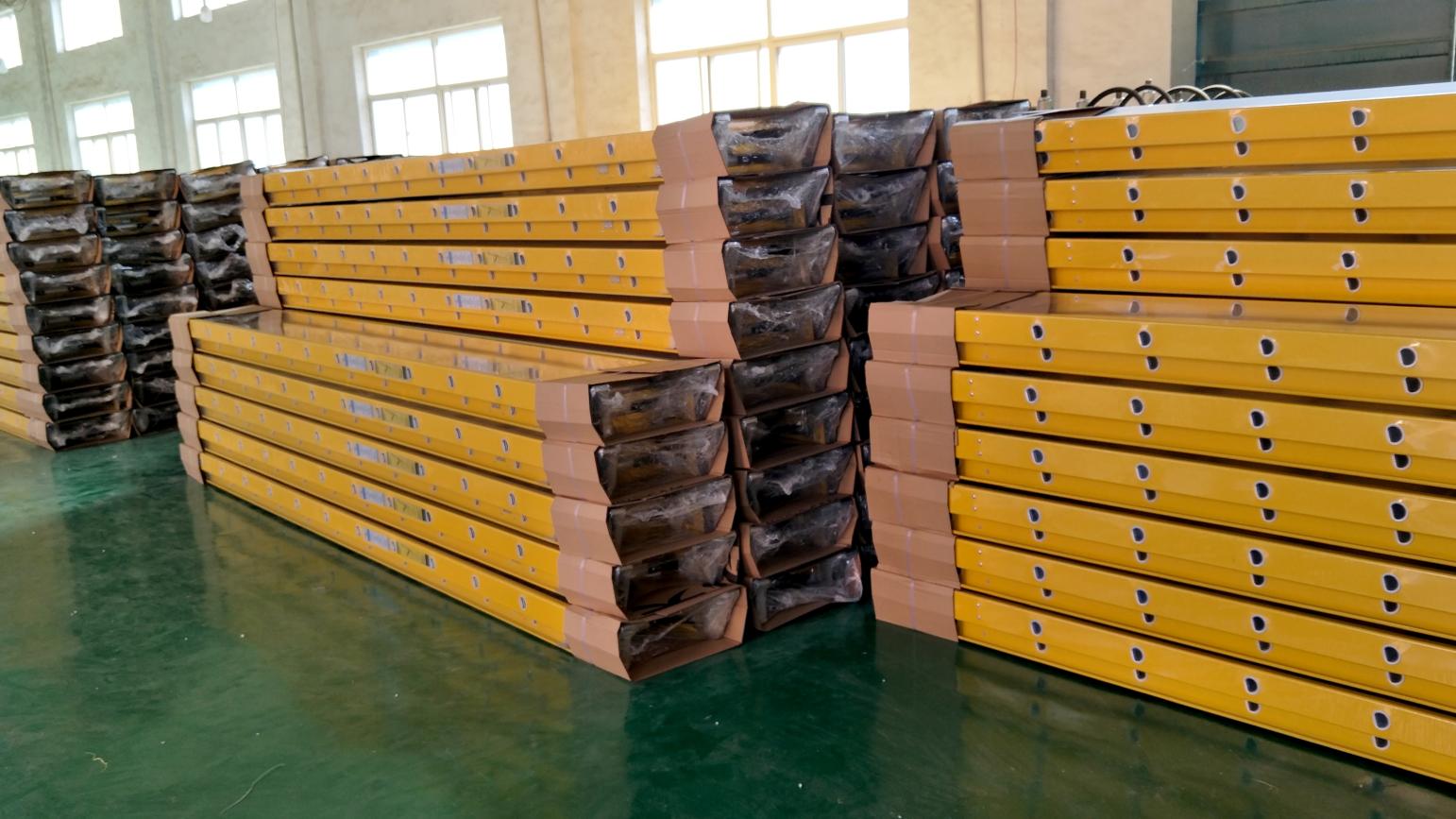
Finished Product
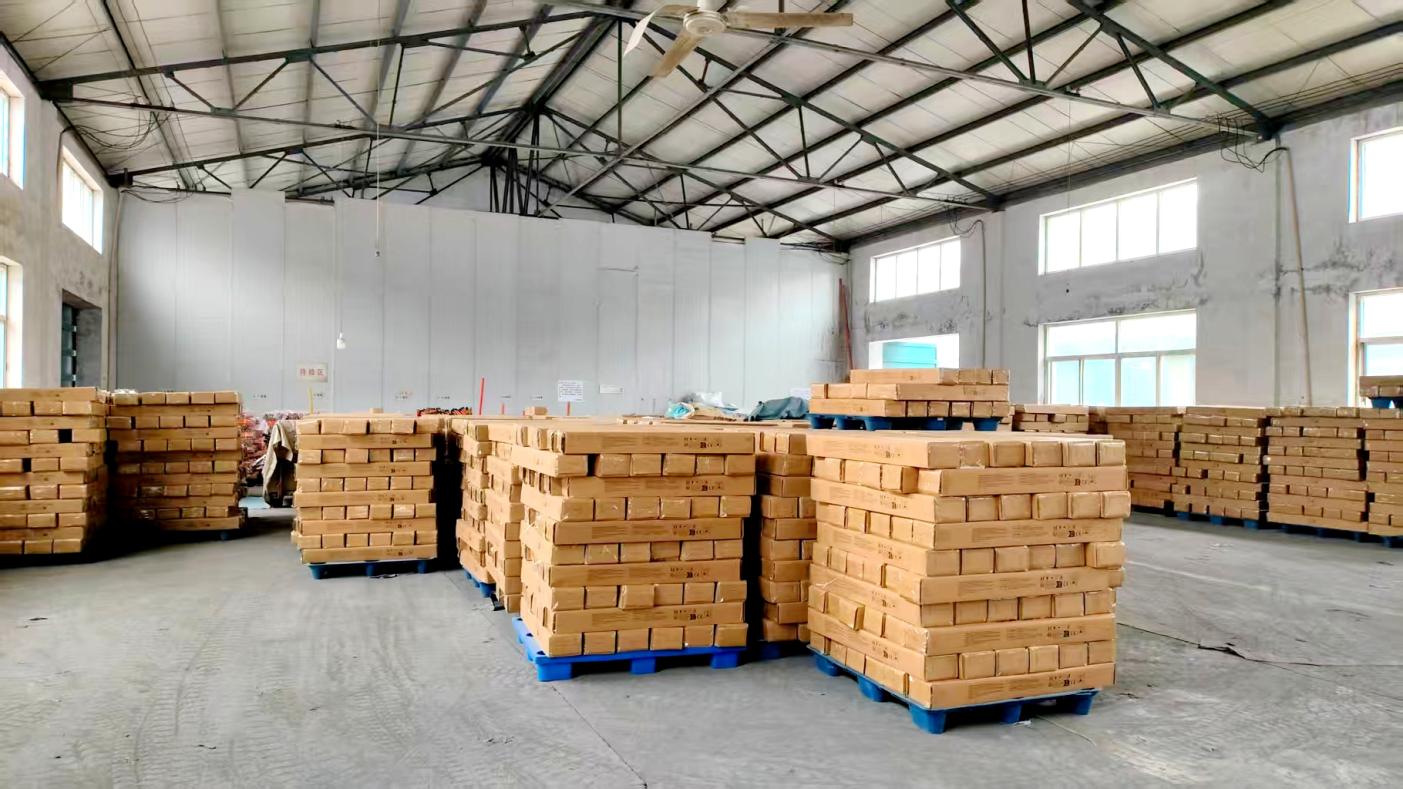
Warehouse
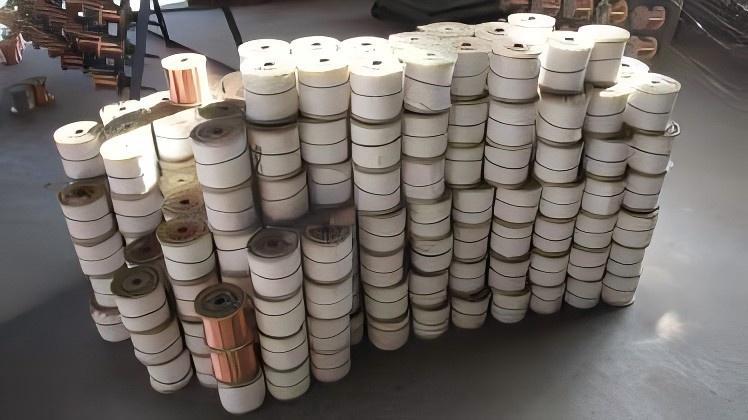
Raw Material
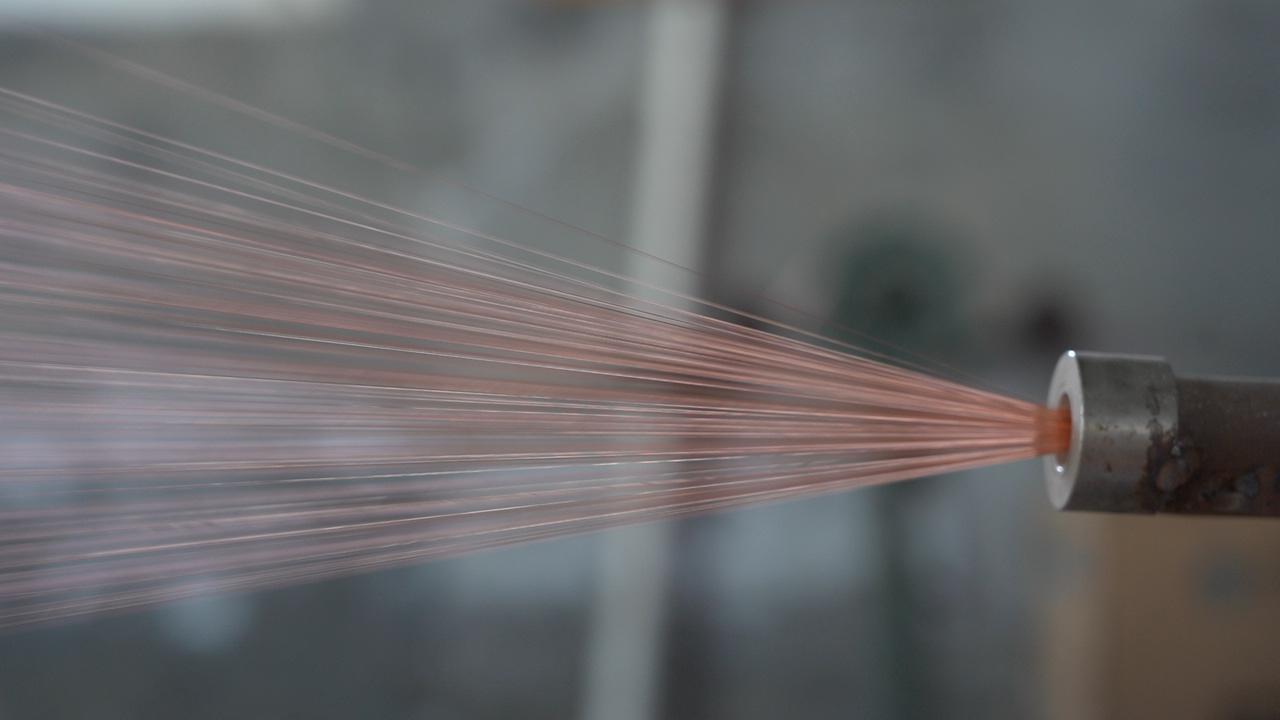
Copper Stranding
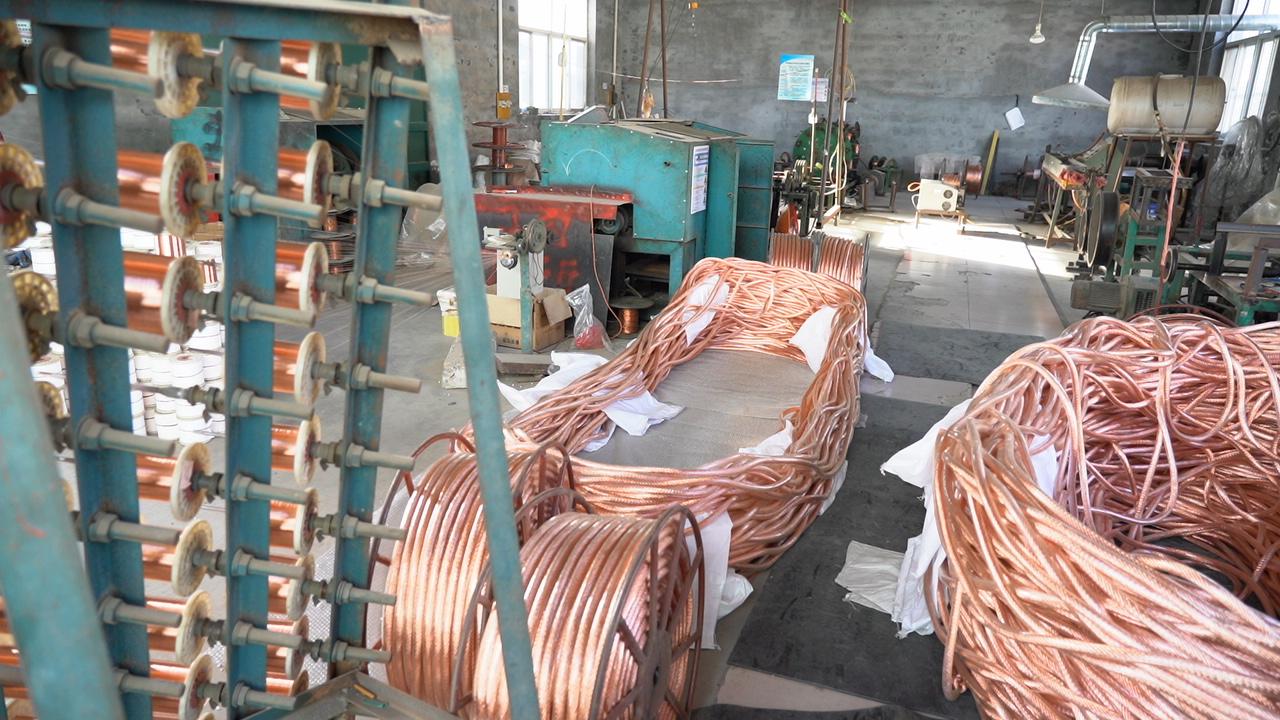
Copper Cable
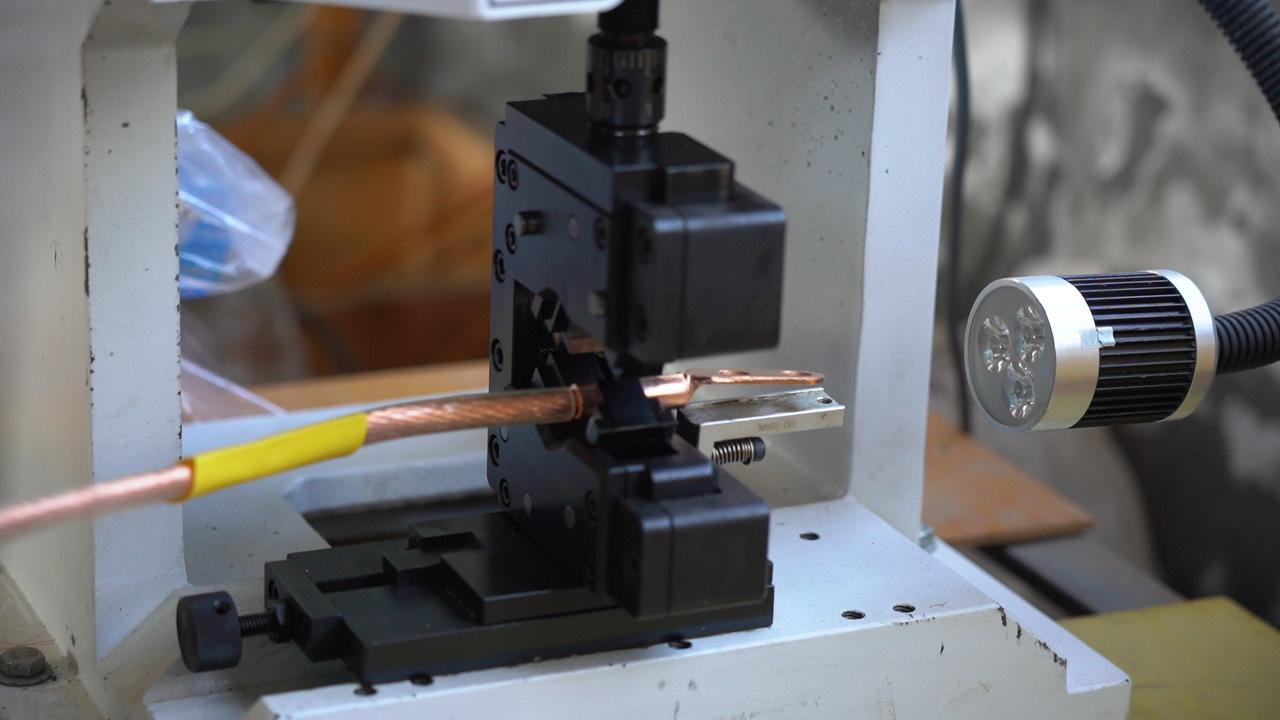
Crimping Copper Lugs
Both are international standards for scaffolding components. BS1139 is the British standard, while EN74 is the European standard. They define load capacities, material types, and testing procedures for couplers and fittings to ensure maximum safety.
Lightweight casters reduce the overall weight of mobile scaffolding towers, making them easier to maneuver for a single operator and reducing shipping costs. When using aluminum scaffolding, lightweight casters are essential to maintain the system's ergonomic benefits.
In chemical or petrochemical environments, look for casters with high chemical resistance (such as polyurethane) and non-sparking materials. Ensure the metal components are forged or treated with anti-corrosive coatings like hot-dip galvanization.
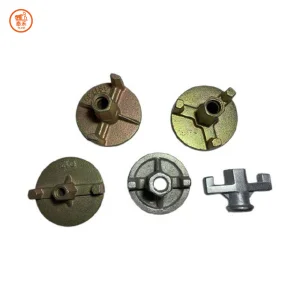
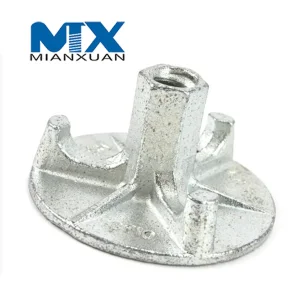
Yes. As a manufacturer with integrated production lines, we provide OEM/ODM services, including custom forged nuts, special wing nut specifications (like D20 tie rods), and branded scaffolding accessories based on client drawings.