ABP Scaffolding
ABP Scaffolding
ABP Scaffolding
Ensuring the stability of safety nets through high-precision forged couplers and clamps.
A deep dive into why safety netting is the heartbeat of high-rise construction safety.
In the rapidly evolving landscape of global construction, scaffolding safety nets have transitioned from optional accessories to mandatory safety imperatives. As of 2024, the global market for industrial fall protection equipment is projected to reach $4.5 Billion, driven by stringent OSHA and European EN standards. The "Top 10 Scaffolding Safety Net Suppliers" are those who don't just sell mesh, but provide integrated safety solutions that withstand extreme environmental stresses.
Reduction in debris-related accidents on sites using high-density safety nets.
Lifespan of UV-stabilized HDPE netting in high-heat environments.
The gold standard for safety net manufacturing compliance worldwide.
The Evolution of Safety Mesh: Traditional nylon nets are being replaced by High-Density Polyethylene (HDPE) with fire-retardant additives. This technological shift ensures that nets not only catch falling objects but also resist welding sparks and chemical degradation common in petrochemical and shipbuilding industries.
Exploring the engineering behind the weave and the hardware that secures it.
Utilizing virgin HDPE with 3% UV-stabilizer ensures the net remains flexible and strong even under the intense sun of the Middle East or the freezing winds of Northern Europe.
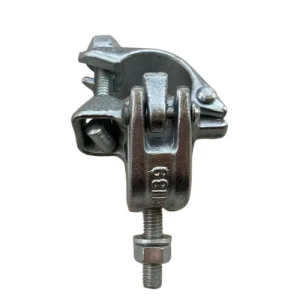
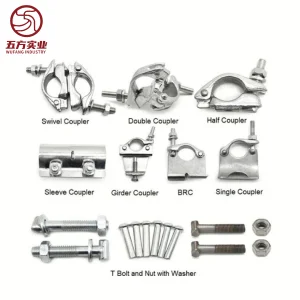
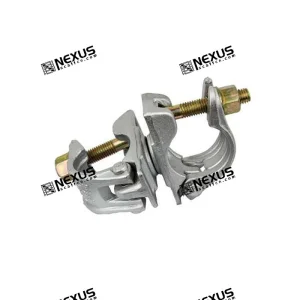
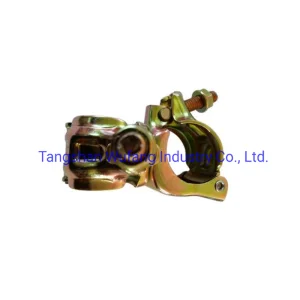
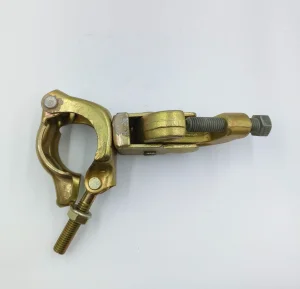
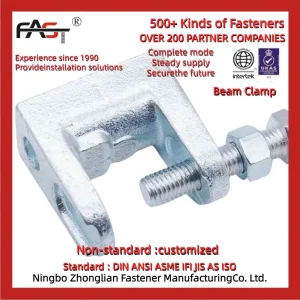
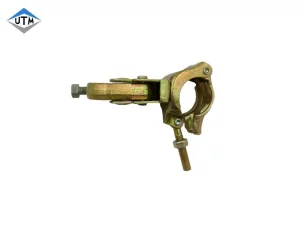
A safety net is only as strong as its anchor. This is where BS1139/EN74 compliant couplers, such as the Swivel Clamps and Beam Couplers from Shandong ABP Scaffolding, become critical to the safety ecosystem.
Engineered to absorb kinetic energy. A certified safety net must be able to halt a 100kg mass falling from 7 meters without tearing or damaging the supporting scaffold frame.
Excellence in Production, Sales, and Global Service
Shandong ABP Scaffolding Co., Ltd. is an export-oriented enterprise integrating production, sales, and service of scaffolding components and fasteners. We specialize in the manufacture of a wide range of forged scaffolding fasteners, which serve as the backbone for safety net installations globally.
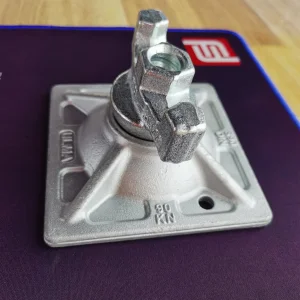
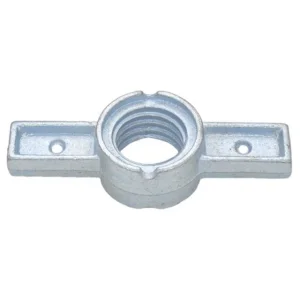
Our product portfolio includes German, British, and American style right-angle and swivel couplers, Forged butt couplers, and base plates. We serve critical industries including nuclear power, petrochemical, and shipbuilding.
At Shandong ABP, we believe “quality is the foundation of business survival”. All products undergo rigorous quality control and SGS inspection to meet EN74 and BS1139 international standards.

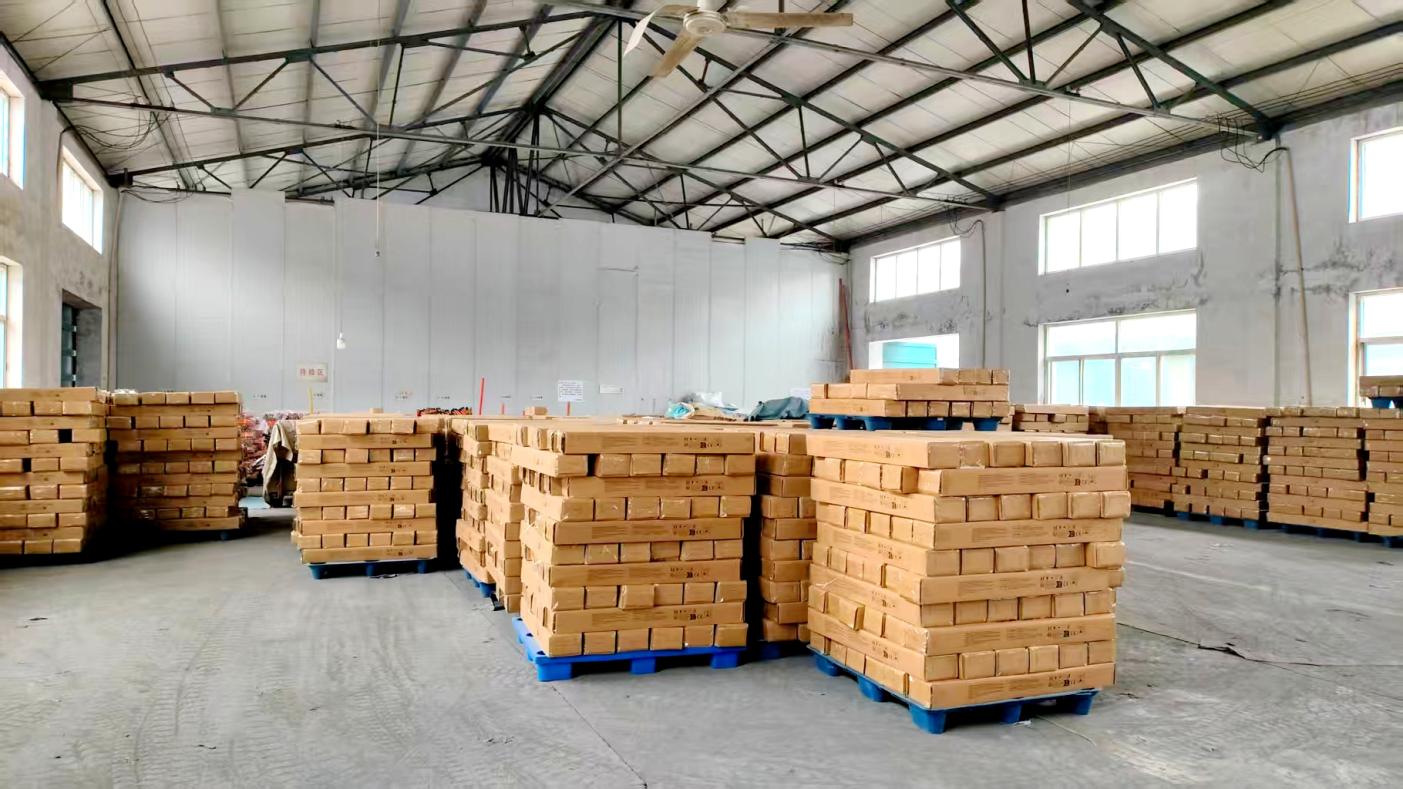
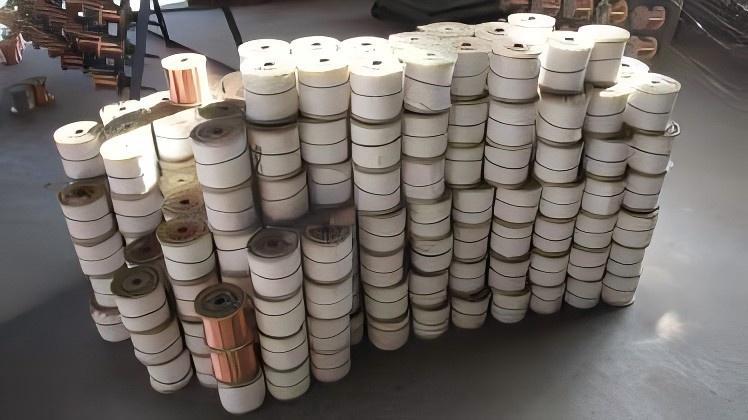
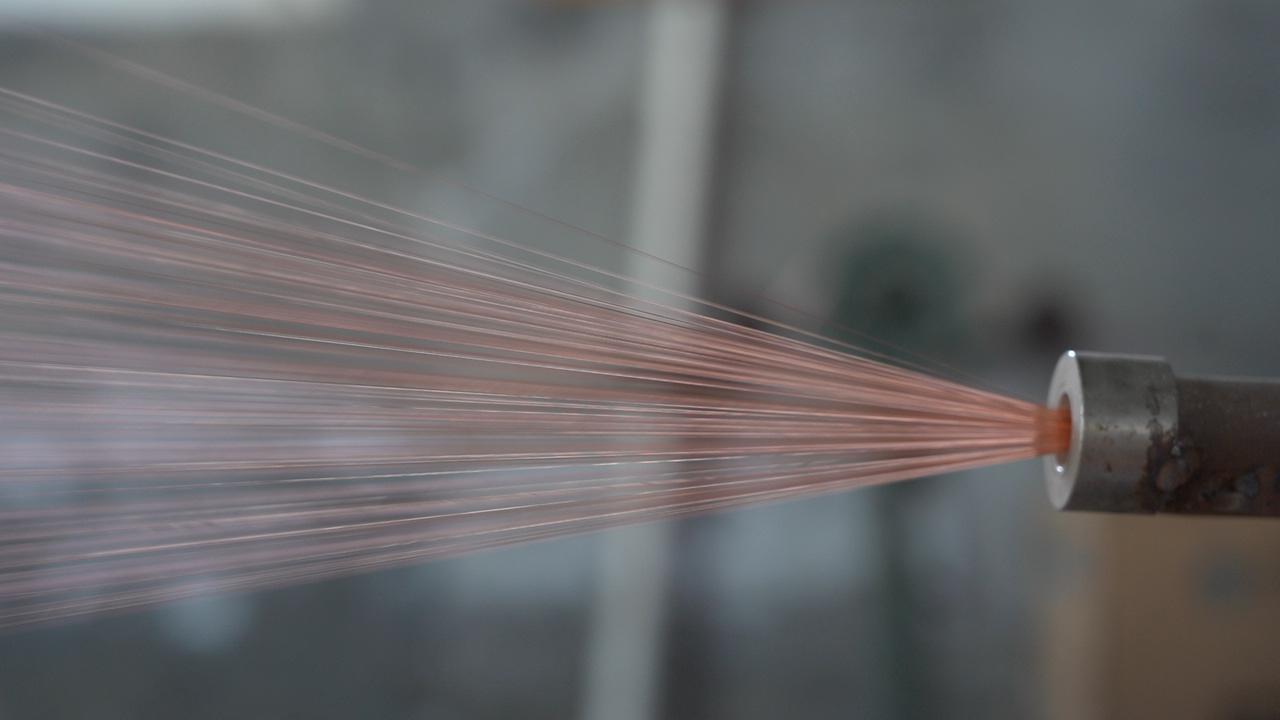
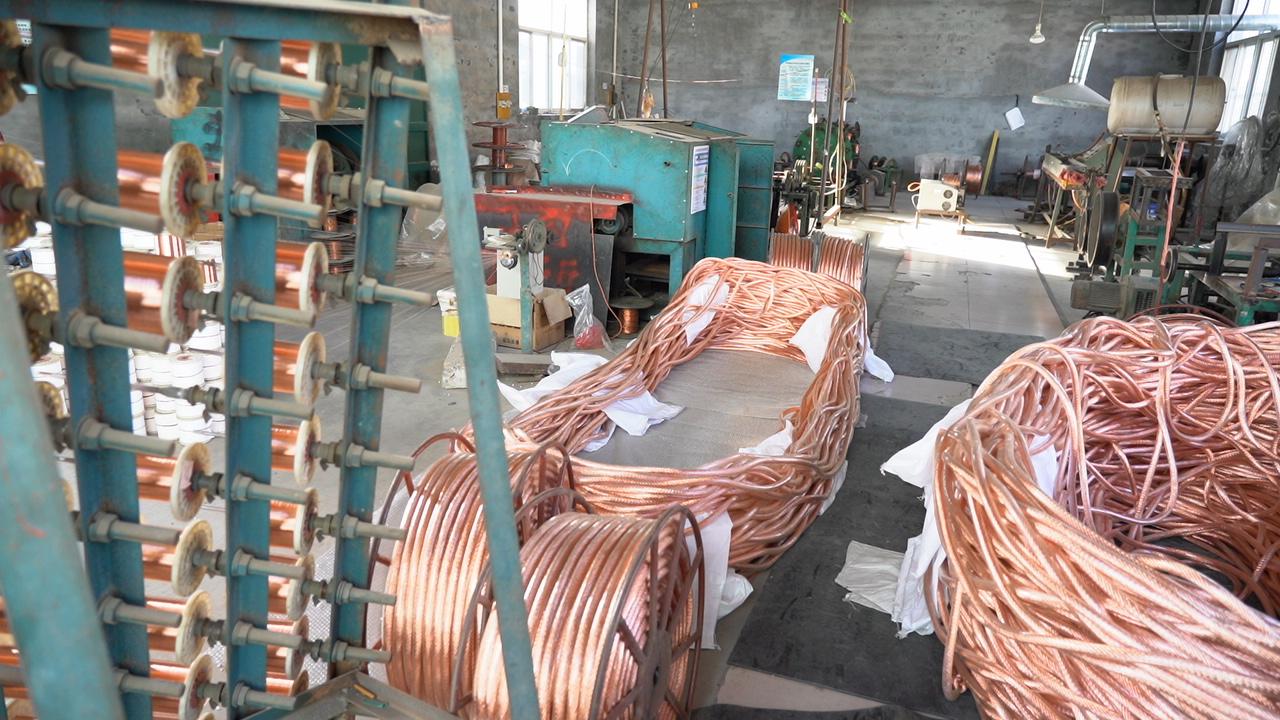
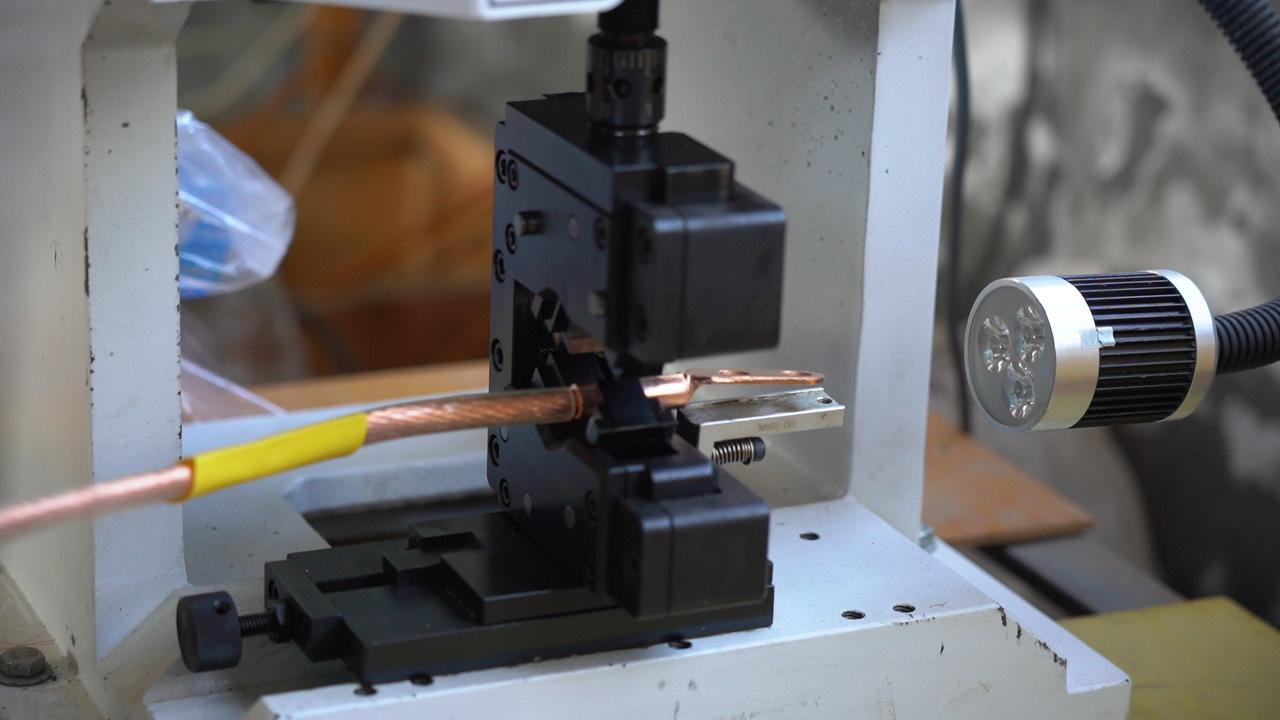
Visualizing the technical journey from raw material to safety-certified hardware.
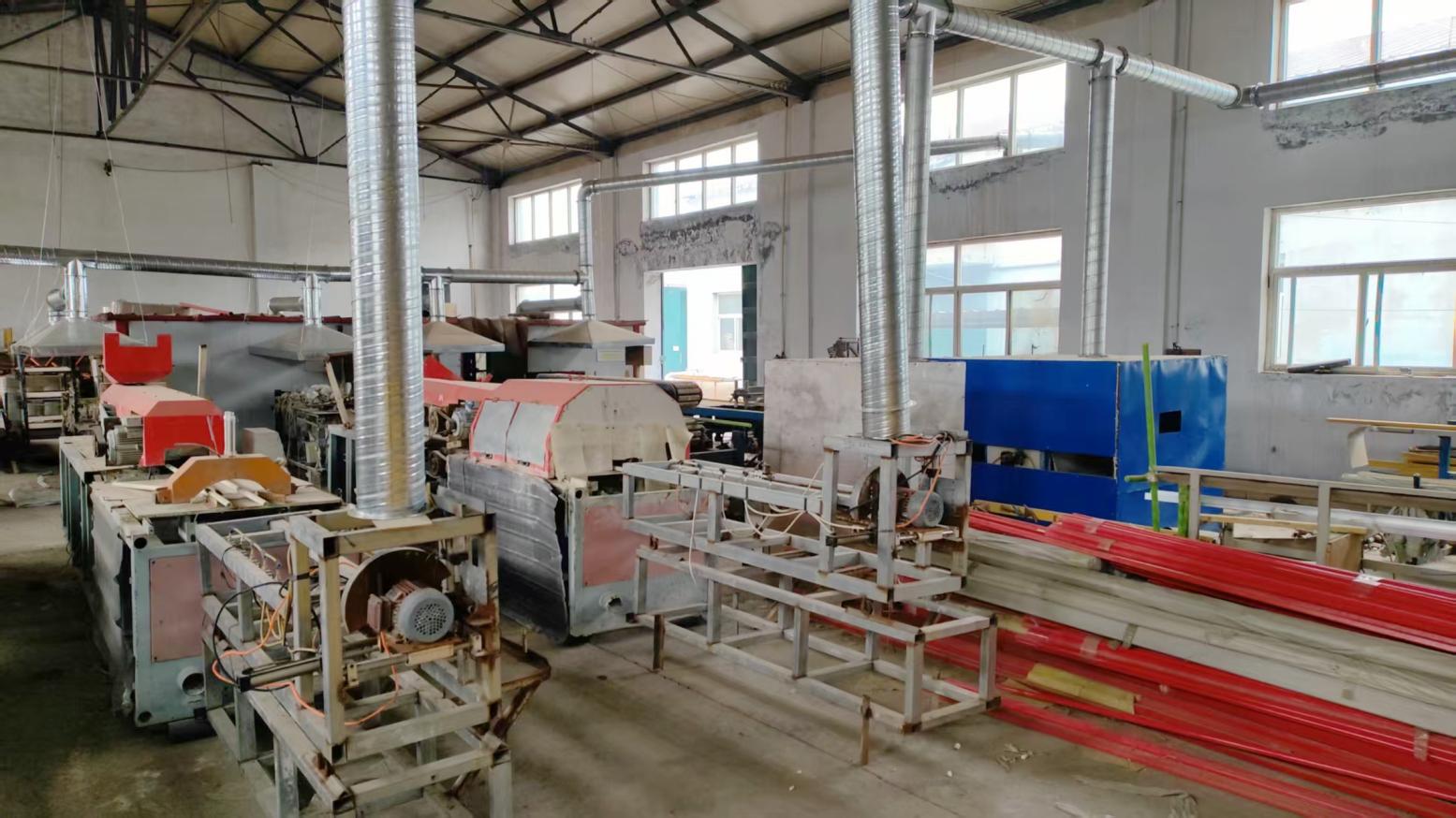
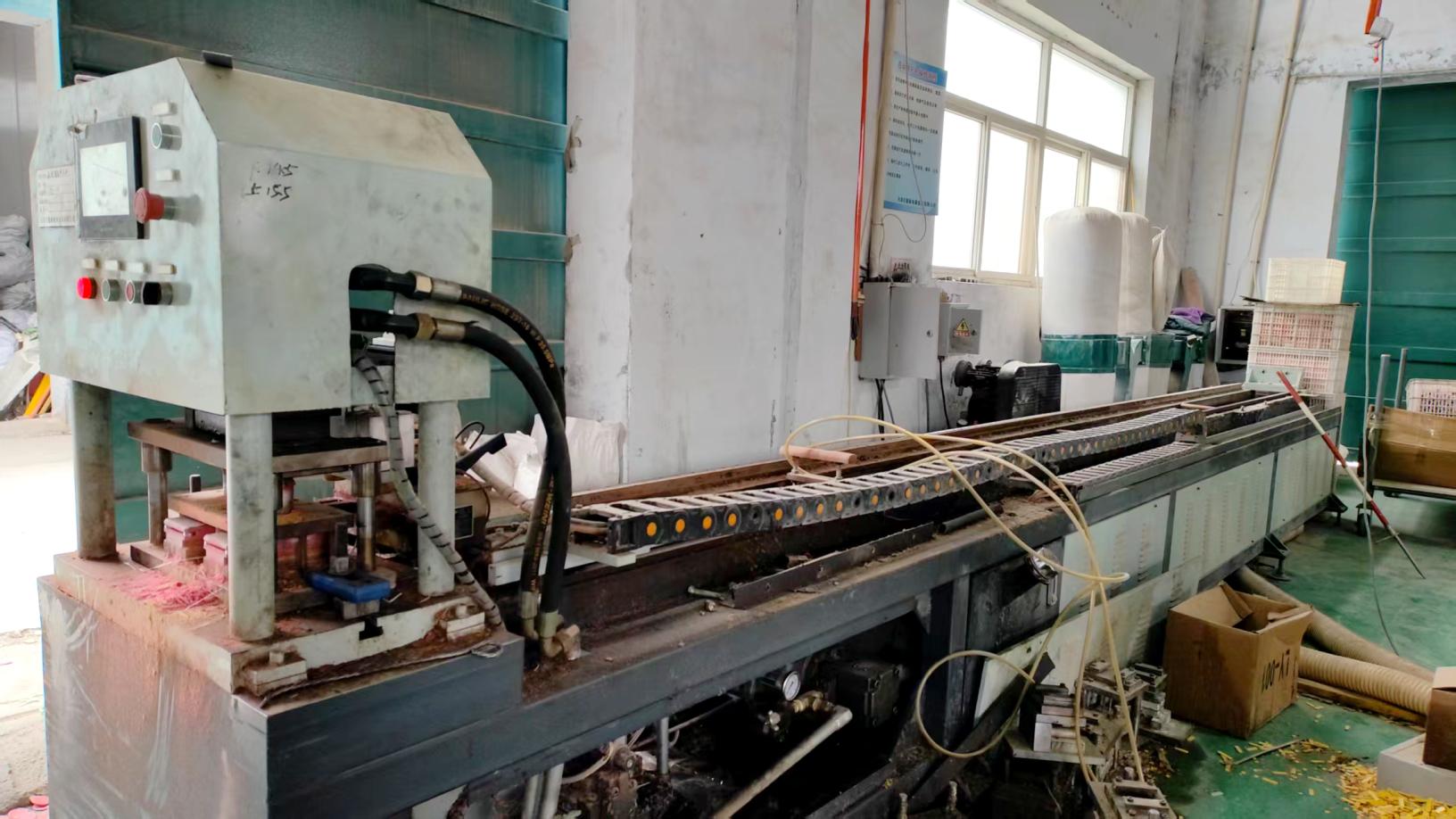
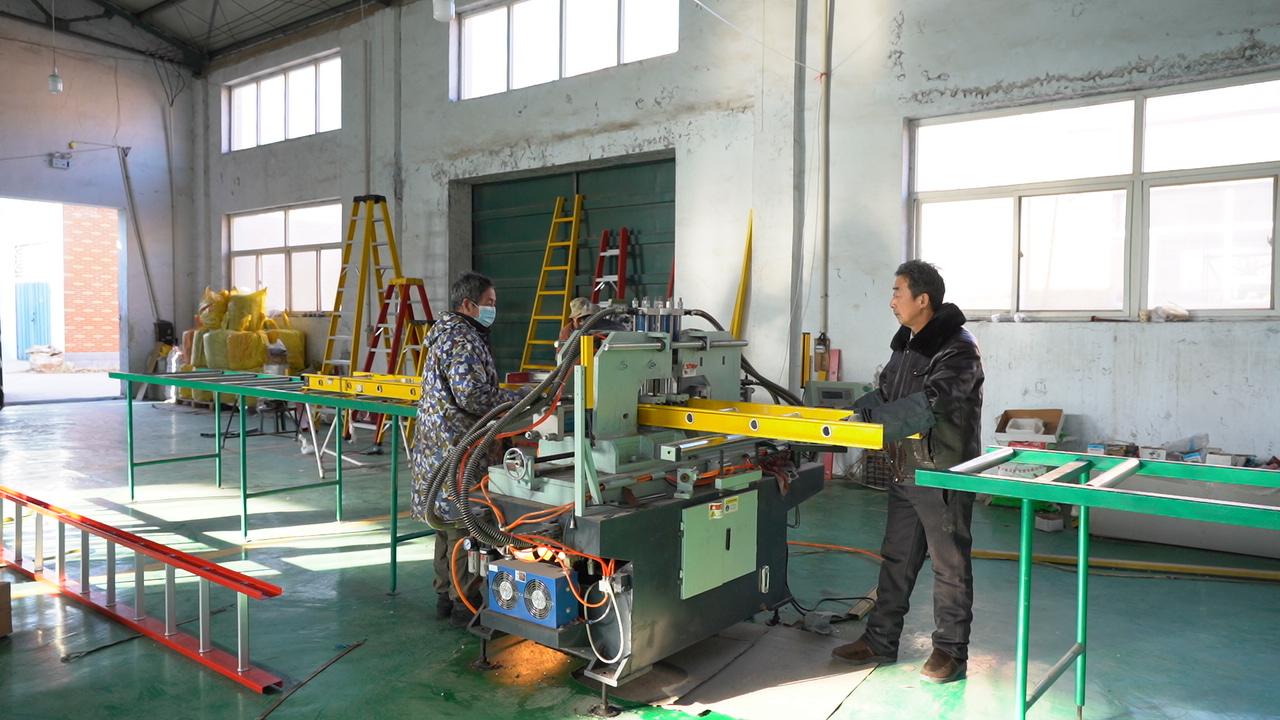
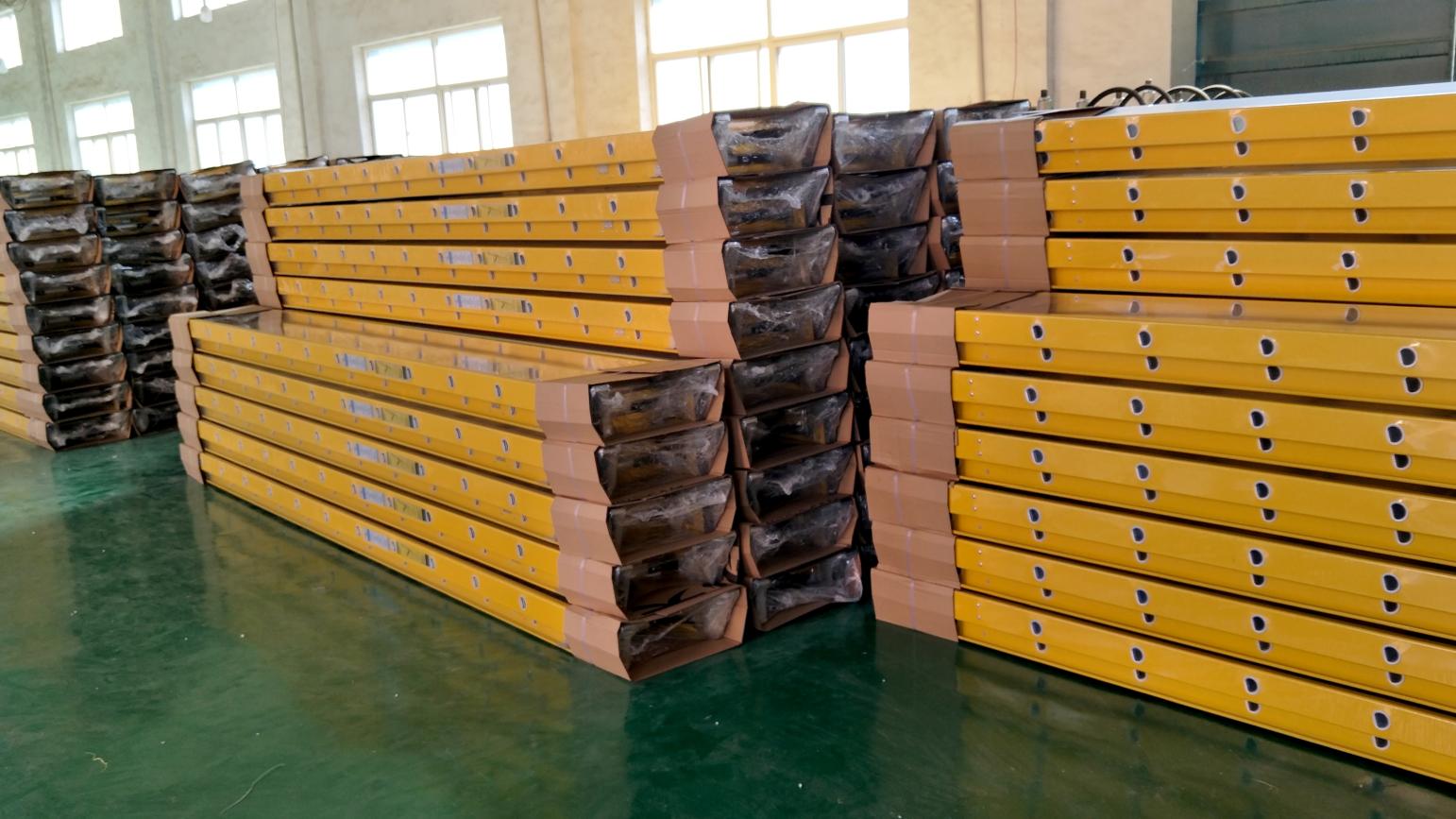
How scaffolding safety nets are adapting to different regional climates and architectural demands.
| Region | Key Safety Trend | Required Hardware Standard |
|---|---|---|
| Middle East (UAE/Qatar) | High UV resistance & Sand-storm durability netting. | BS1139 Steel Couplers |
| Europe (Germany/UK) | Fire-retardant (FR) mesh with rigorous DIN standards. | EN74 Forged Clamps |
| Southeast Asia | Heavy debris protection for dense urban construction. | JIS Pressed Couplers |
| Offshore / Shipbuilding | Anti-corrosive galvanized netting and fasteners. | Hot-Dip Galvanized Girder Clamps |
Future Outlook: The industry is moving toward Smart Safety Nets integrated with IoT sensors that can detect impact or excessive tension and alert site managers in real-time. This "Information Gain" is critical for predictive maintenance of construction sites.
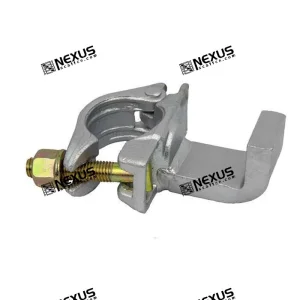
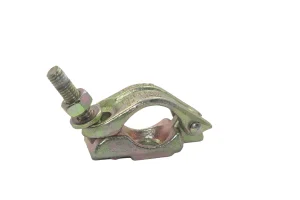
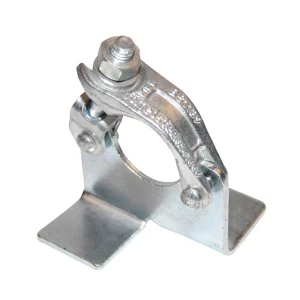
Safety netting is primarily designed to catch falling personnel (human-rated impact), whereas debris netting is meant to contain smaller tools, dust, and materials from falling onto passersby. Both require high-quality Board Retaining Clamps for secure attachment.
According to OSHA guidelines, nets should be inspected weekly and after any incident that could affect their integrity. Fasteners, such as Swivel Couplers, should also be checked for torque and corrosion.
Forged couplers offer higher slip resistance and load-bearing capacity, which is essential for maintaining the tension required in safety net systems during high-impact events.
The technical components that enable secure, high-tension safety net installations.