ABP Scaffolding ABP Scaffolding

Best Scaffolding Nut Storage to Prevent Rust and Loss 2026

Time:2026-09-25 Author:Sophia
0%

Loose scaffolding nuts are easy to overlook until a fitting is missing or a rusty thread refuses to turn. A few damp, mixed nuts at the bottom of a tool bucket can slow a crew and make inspections harder. Good storage is a small habit with practical value. It protects usable hardware, keeps sizes identifiable, and reduces avoidable waste.

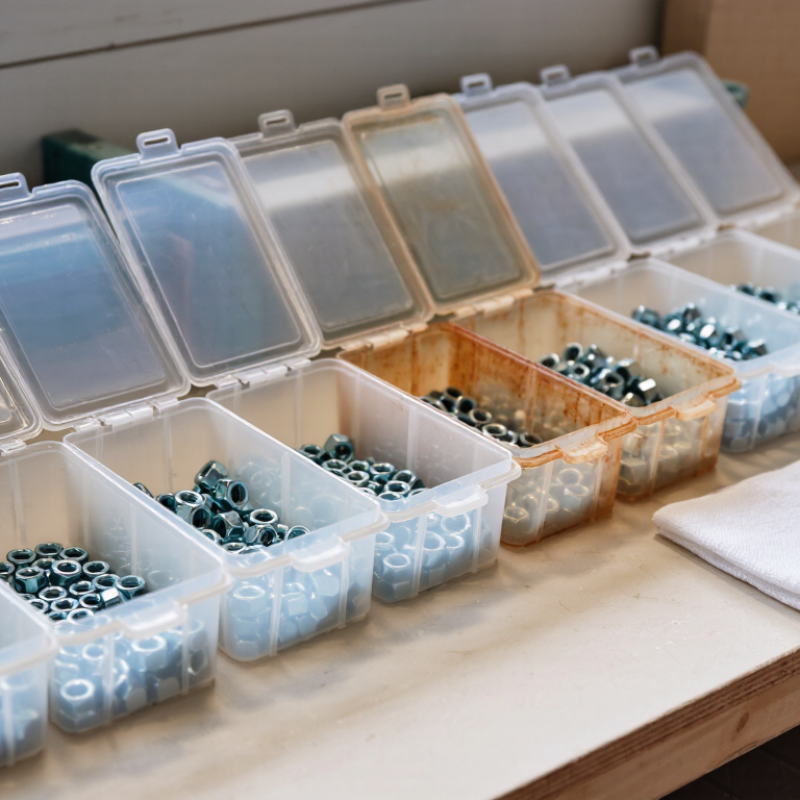
This guide explains how to store loose scaffolding nuts to prevent rust and loss, from cleaning and drying them to choosing labeled, lidded containers. A dry cabinet or sealed organizer works better than an open tray near rain, washdown areas, or wet timber. Keep different nut sizes apart, and check containers after work. Small details matter. For a publication-ready expert quotation, verify the speaker and wording before use: [Verified scaffolding-storage expert name] puts the principle simply, “Keep every nut clean, dry, sorted, and accounted for.” That sentence is useful, but storage routines still need to fit the site. A label can peel. A lid can be left open. Regular checks catch these ordinary failures before hardware disappears or corrosion spreads.
Best Scaffolding Nut Storage to Prevent Rust and Loss 2026

Understanding Scaffolding Nuts and Their Rust Risks

Best Scaffolding Nut Storage to Prevent Rust and Loss 2026

Understanding Scaffolding Nuts and Their Rust Risks

Scaffolding nuts carry repeated loads, and their threads must turn freely for safe, reliable assembly. Moisture, cement residue, and salty air can collect in the grooves, encouraging corrosion. Even light rust may make a nut difficult to tighten or remove. A clean-looking surface is not proof that the threads are clean.

NACE International’s IMPACT study estimated global corrosion costs at $2.5 trillion in 2013, or about 3.4% of global GDP. That estimate covers many industries, not scaffolding nuts specifically, but it shows why corrosion prevention matters. Keep nuts dry, remove visible dirt, and store them in ventilated, labeled containers off the ground. Separate sizes to reduce mix-ups and unnecessary handling. Follow the hardware maker’s guidance when deciding whether a corroded nut can remain in service; appearance alone can be misleading.

Tips: Dry nuts before storage, and check the bottom of each container for trapped moisture. A sealed box may keep out rain but still hold damp air. Small detail. Recheck stored hardware after wet weather, because good storage habits can slip during busy site work.

Identifying the Right Storage Conditions

Scaffolding nuts need a dry, ventilated home. Damp air, dust, and trapped water can attack bare or damaged surfaces. Choose a covered storage area away from wash stations and open doors. Keep each batch in a clean bin, raised off concrete, with its label visible. Keep air moving. Avoid sealing wet hardware in plastic; moisture can linger around threads and bearing faces, even when the outside looks dry.

A temperature-and-humidity logger can reveal risky swings. ISO 9223:2012 uses hours above 80% relative humidity and 0°C to classify atmospheric time of wetness. This is a corrosion indicator, not a universal indoor storage limit. Check for condensation after cold nights or sudden warm-ups, and dry damp parts fully before packing. Inspect threads for orange staining, pitting, or grit. Set suspect pieces aside for assessment.

NACE International’s 2016 IMPACT study estimated corrosion costs at US$2.5 trillion globally, or about 3.4% of world GDP. That estimate covers all industries, not scaffolding nuts, but it highlights the value of moisture control. Store plated, galvanized, and plain-steel parts in clearly identified groups, following the hardware manufacturer’s care instructions. One practical weakness remains: busy crews may leave lids ajar. A quick end-of-shift check can catch it.

Choosing Containers and Organizing Nuts by Type

Best Scaffolding Nut Storage to Prevent Rust and Loss 2026

Choosing Containers and Organizing Nuts by Type

A good storage system starts with dry, clean hardware. Wipe nuts before packing, especially after a wet shift. Let them dry fully; a sealed container can trap moisture. Use sturdy, lidded bins that resist rain and jobsite dust. Add a replaceable desiccant pack, and check it regularly. Small details matter.

Sort nuts by type, size, and thread specification. Keep each group in a separate compartment or clearly labeled container. Labels should remain readable after handling, not just look neat on day one. Store frequently used sizes near the front, and keep damaged or questionable pieces apart for inspection. A simple count at shift end can reveal losses early. It won’t catch everything.

Corrosion has a real economic cost. The NACE IMPACT study estimated global corrosion costs at $2.5 trillion annually, or 3.4% of global GDP. That figure covers corrosion broadly, not scaffold-nut storage specifically. Still, it supports taking moisture control seriously. Record what works on your site; bin placement and weather can change the results. One weak point is easy to miss: lids left open during a rushed shift.

Preventing Moisture, Corrosion, and Loss

Scaffolding nuts are easy to overlook until a wet, muddy fitting is needed. Keep them in a sturdy, lidded container rather than an open bucket. A raised shelf or dry tool chest helps prevent water from collecting underneath. Before storage, brush off grit and wipe away standing moisture. Small steps matter.

Sort nuts by size and type, then use labeled compartments or separate bags. This makes counts easier and reduces rummaging, which can scatter hardware across a van floor. For longer storage, choose a dry, ventilated area and keep containers away from leaking roofs, damp concrete, and washing zones. Avoid sealing damp parts inside a bag; trapped moisture can encourage corrosion. A light protective coating may help when suitable for the hardware, but check that it will not interfere with fitting or inspection.

Check stored stock regularly. Look for orange spots, pitting, damaged threads, or lids that no longer close securely. Remove questionable pieces from usable stock and assess them before reuse; a nut that looks clean can still have thread damage. This routine is not foolproof. Dust gets in, labels peel, and busy crews sometimes put parts back wet. A simple inventory sheet and a quick end-of-shift check can catch losses before they become a bigger problem.

Best Scaffolding Nut Storage to Prevent Rust and Loss — 2026

How storage-area relative humidity can affect corrosion concern for steel scaffold nuts

The bars show a qualitative concern index, not measured corrosion rates: steel corrosion concern generally rises in damp conditions, though actual results depend on temperature, salt exposure, coatings, and handling. Keep nuts clean and dry, store them in closed, clearly labeled containers, and keep containers off the ground. Use a hygrometer to monitor storage-area humidity.

Inspecting Stored Nuts and Maintaining Inventory

Best Scaffolding Nut Storage to Prevent Rust and Loss 2026
Inspecting Stored Nuts and Maintaining Inventory

Scaffold nuts often disappear into mixed bins or develop rust where damp air lingers. Check stored hardware before each use: look for pitting, flaking, distorted threads, and oil or grit. A nut that will not turn smoothly by hand should be set aside, not forced onto a bolt. Small parts vanish. Record the size, quantity, inspection date, and condition for each container. Keep different sizes separate in labeled, covered bins, and store them off the floor in a dry area.

The 2016 NACE International IMPACT study estimated corrosion costs at US$2.5 trillion globally, about 3.4% of world GDP. That figure covers many industries, not scaffolding alone, but it shows why corrosion control matters. OSHA’s construction scaffold standard, 29 CFR 1926.451(f)(3), requires inspection by a competent person before each work shift and after events that could affect structural integrity. Storage checks support this process; they do not replace required scaffold inspections. Keep uncertain or damaged nuts quarantined until a qualified person assesses them against the applicable specifications.

Tips: Count nuts when they enter and leave storage. Use a simple log, and reconcile the balance weekly. Wipe hardware dry before shelving it; avoid sealing damp parts in a container. I have found that tidy bins help, but rushed counts still miss pieces. Check again before assembly.

Best Scaffolding Nut Storage to Prevent Rust and Loss 2026 - Inspecting Stored Nuts and Maintaining Inventory
Storage or Inventory Check Recommended Practice Check Frequency Example Record Issue Prevented
Storage location Keep nuts in a covered, dry, well-ventilated area. Store them off the floor on a sound shelf or pallet, away from standing water and corrosive chemicals. At setup and during routine inspections Area S-2; shelf dry; no visible leaks Moisture exposure, corrosion, and contamination
Packaging and containers Use clean, clearly labeled bins or closed containers that protect parts from dirt and splashes. Only pack nuts when they are dry; do not trap moisture inside a container. Check when receiving, repacking, or issuing stock Bin N-04; lid fitted; contents dry Rust, dirt buildup, and mixed or unidentified stock
Part identification Keep nuts separated by size, thread type, and compatible fitting system. Label each bin with the part description and keep unlike parts from being mixed. At receipt and after every restock Scaffold fitting nut; size and thread recorded on bin label Incorrect fit, wasted time, and unusable mixed stock
Rust and condition inspection Look for red rust, damaged threads, cracks, heavy pitting, or other visible damage. Isolate questionable parts for assessment rather than returning them to usable stock. Monthly, and before issue for critical work Inspected: 240; isolated for review: 3 Damaged or unsuitable parts being issued
Inventory transaction log Record each receipt, issue, return, and adjustment against the part description and bin location. Update the balance when the transaction occurs. Every stock movement Opening: 240; issued: 36; balance: 204 Unexplained shortages and inaccurate stock counts
Physical stock count Count the contents of each bin and compare the result with the recorded balance. Investigate differences and document any approved adjustment. Monthly for regularly used stock; quarterly for slow-moving stock Recorded: 204; counted: 202; variance: 2 Hidden loss and unreliable inventory records
Stock rotation Use older serviceable stock first. Mark the receipt date on the container and avoid burying earlier stock beneath newer deliveries. At each receipt and issue Oldest receipt date: 12 Jan 2026 Long-term storage neglect and avoidable deterioration
Reorder level Set a minimum quantity based on typical usage and supplier lead time. Review the threshold when demand or delivery times change. Review monthly and after significant usage changes On hand: 204; reorder point: 80 Unexpected stockouts and rushed purchasing

FAQS

Why do scaffolding nuts need dry storage?

Moisture can collect in the threads and encourage rust. Even light corrosion may make tightening or removal difficult.

What should I do before packing nuts away?

Wipe off dirt and cement residue. Let each nut dry fully. Check the container’s bottom for trapped water.

Which storage area is suitable?

Choose a covered, ventilated spot away from wash stations and open doors. Keep containers raised off concrete.

Can I seal damp nuts in a plastic box?

No. Damp air can stay around threads and bearing faces. The outside may look dry.

How should different nuts be organized?

Sort them by type, size, and thread specification. Use separate compartments and readable labels. Keep common sizes near the front.

What kind of container helps protect stored nuts?

Use a sturdy, lidded bin that resists rain and dust. A replaceable desiccant pack may help, but check it regularly.

How can I spot nuts that need inspection?

Look for orange stains, pitting, grit, or stiff threads. Set questionable pieces aside and follow the hardware maker’s guidance.

Does a clean surface prove a nut is ready to use?

No. Threads can hold dirt or moisture even when the surface looks clean. Appearance can mislead.

How can crews reduce lost or mixed-up nuts?

Count stored hardware at shift end and keep labels visible. This helps, though it will not catch every loss.

What storage habit is easy to overlook?

Closing lids after a rushed shift. Check them before leaving, especially after wet weather. Small detail.

Conclusion

Scaffolding nuts can rust when exposed to moisture, dirt, and changing temperatures, while poor organization can make them easy to lose or mix up. To understand how to store loose scaffolding nuts to prevent rust and loss, start by cleaning and thoroughly drying them before storage. Keep them in a cool, dry place with stable conditions, away from rain, condensation, and damp floors.

Choose sturdy, closable containers and label them by nut type and size so the right parts are easy to find. Separate different varieties rather than combining them in one container, and use dividers or small compartments to keep them organized. For added protection, use moisture-absorbing materials and check containers regularly for dampness or signs of corrosion. Inspect stored nuts for rust, damage, or contamination before reuse, and maintain a simple inventory of quantities and storage locations. Regular checks help keep supplies usable, organized, and less likely to go missing.

Sophia

Sophia

Sophia is a dedicated marketing professional with an exceptional depth of knowledge about her company's products and services. With a keen understanding of market trends and customer needs, she crafts insightful blog posts that not only inform but also engage readers, enriching the company’s online......